
Trick or Teeth! Keep Your Child’s Smile Healthy This Halloween
Sweet Treats, Healthy Smiles
Halloween is a time for costumes, fun, and, of course, candy. Yet, navigating the holiday while protecting a child's dental health can feel like a delicate balance for parents.
A thoughtful approach allows children to enjoy their treats without compromising their developing smiles. It's truly about moderation and smart choices, ensuring the festive spirit doesn't lead to dental distress.
Justin, a father of two, often felt a tug-of-war between his kids' excitement for candy and his desire to keep their teeth healthy. He worried about the sheer volume of sugar they consumed on Halloween night. Dr. Jackie St. Pierre at Kindred Smiles Pediatric Dentistry has guided many parents through this sweet dilemma.
Justin always appreciated Dr. St. Pierre's practical advice. He was particularly keen to understand the best strategies for managing post-Halloween sugar rushes. He wanted to make sure his children, Lily and Ethan, avoided any cavities from their trick-or-treating adventures.

Which Candies Are Riskiest?
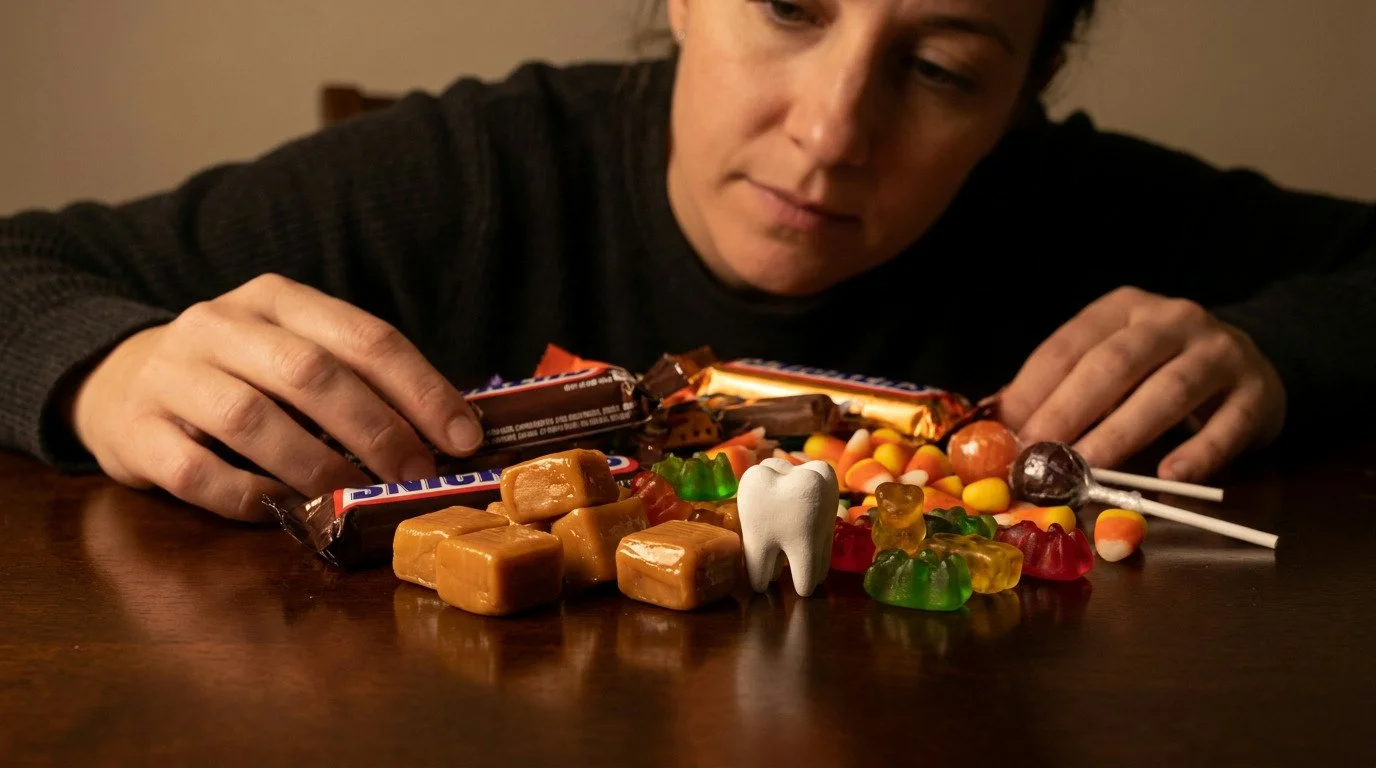
When considering Halloween candy, some types pose a greater threat to children's teeth than others. Candies that are sticky, chewy, or sour tend to linger on tooth surfaces, providing prolonged fuel for cavity-causing bacteria. These sugary residues are difficult for saliva to wash away naturally.
Dr. St. Pierre often explains that constant exposure to sugar is a key factor in cavity development. Justin recalled Dr. St. Pierre showing him illustrations of how sticky caramels could cling to molars. This visual helped him understand the mechanical impact.
He realized that even small amounts of certain candies could be problematic if not managed well. It's not just about the sugar content, but also how long the sugar stays in contact with teeth. To minimize risk, Dr. St. Pierre recommends avoiding:
Sticky and Chewy Candies: Caramels, taffy, gummies, and fruit chews adhere to teeth, making them hard to remove.
Hard Candies: Lollipops and hard candies dissolve slowly, bathing teeth in sugar for extended periods. They also pose a choking risk and can break teeth.
Sour Candies: These are highly acidic, which can erode tooth enamel even faster than sugar alone.
Popcorn Balls or Nuts: While not strictly candy, these often contain sticky syrups and can get lodged in crevices.
Healthier Halloween Candy Alternatives
Fortunately, there are many delightful alternatives to the traditional cavity culprits that can still bring joy to Halloween. Opting for options that are less harmful to teeth can significantly reduce a child's risk of developing dental issues. Dr. St. Pierre encourages parents to consider these healthier choices. Justin was surprised to learn how many great alternatives existed.
He discussed these options with his wife, Amanda, before Halloween. They decided to offer a mix of safer treats this year. This proactive approach made Justin feel much more confident about their kids' dental health. Smart candy swaps can make a real difference.
Dr. St. Pierre often suggests these fantastic alternatives:
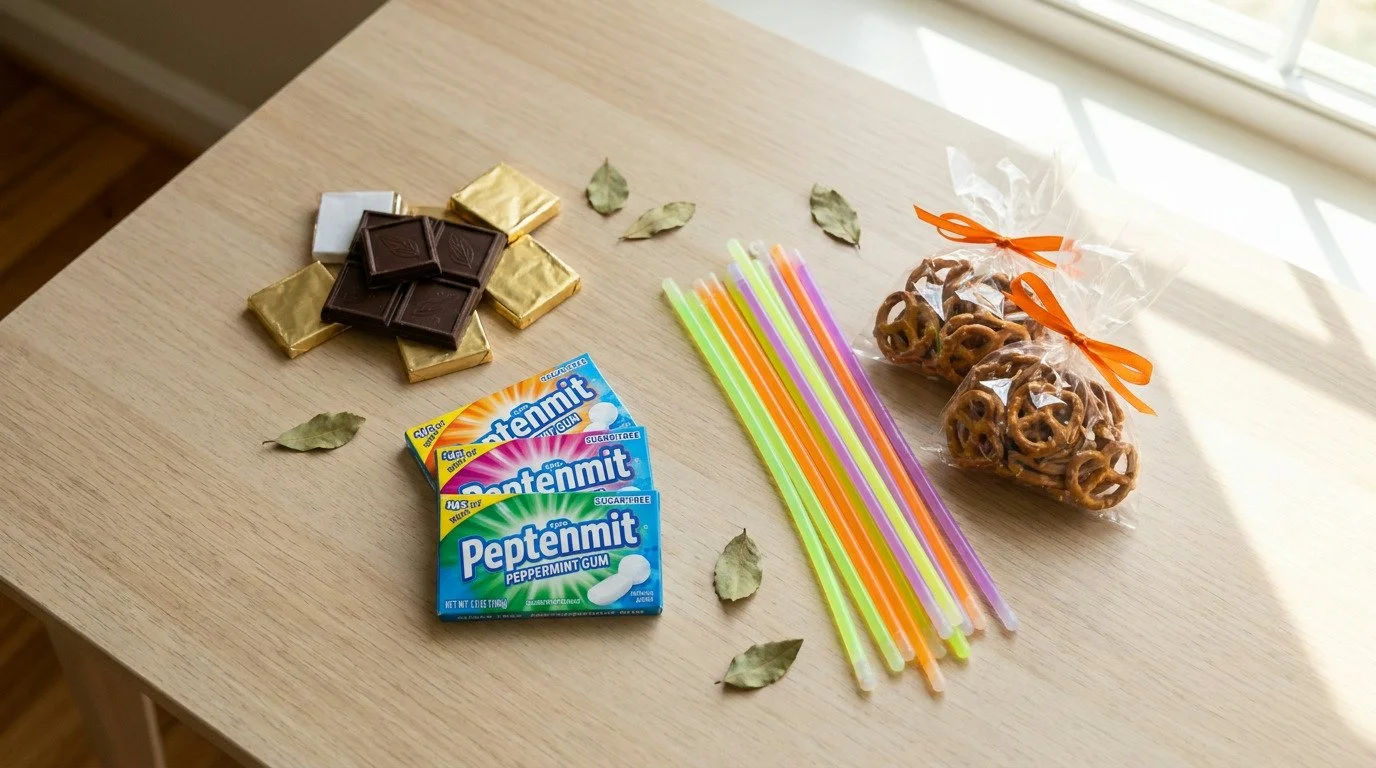
Dark Chocolate: Contains less sugar than milk chocolate and offers antioxidants. It also washes away from teeth more easily.
Sugar-Free Gum: Chewing sugar-free gum after eating helps stimulate saliva flow, which neutralizes acids and washes away food particles.
Small Toys or Novelty Items: Stickers, temporary tattoos, glow sticks, or small puzzles provide fun without the sugar.
Fruit or Healthy Snacks: Individual bags of dried fruit (in moderation), small bags of pretzels, or cheese crackers can be appealing.
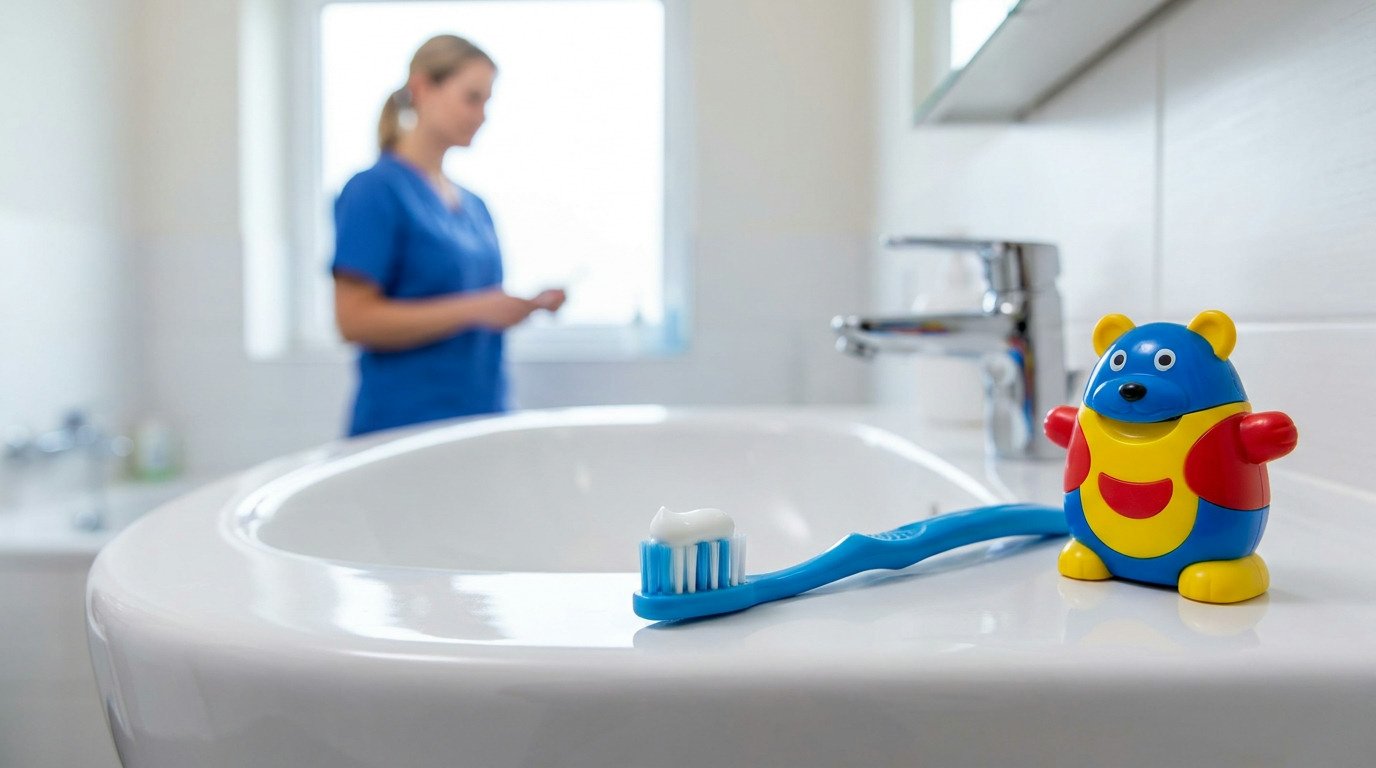
Dental-Themed Items: Mini toothbrushes or fun-flavored toothpastes can be a clever, health-focused treat.
When to Eat Halloween Candy
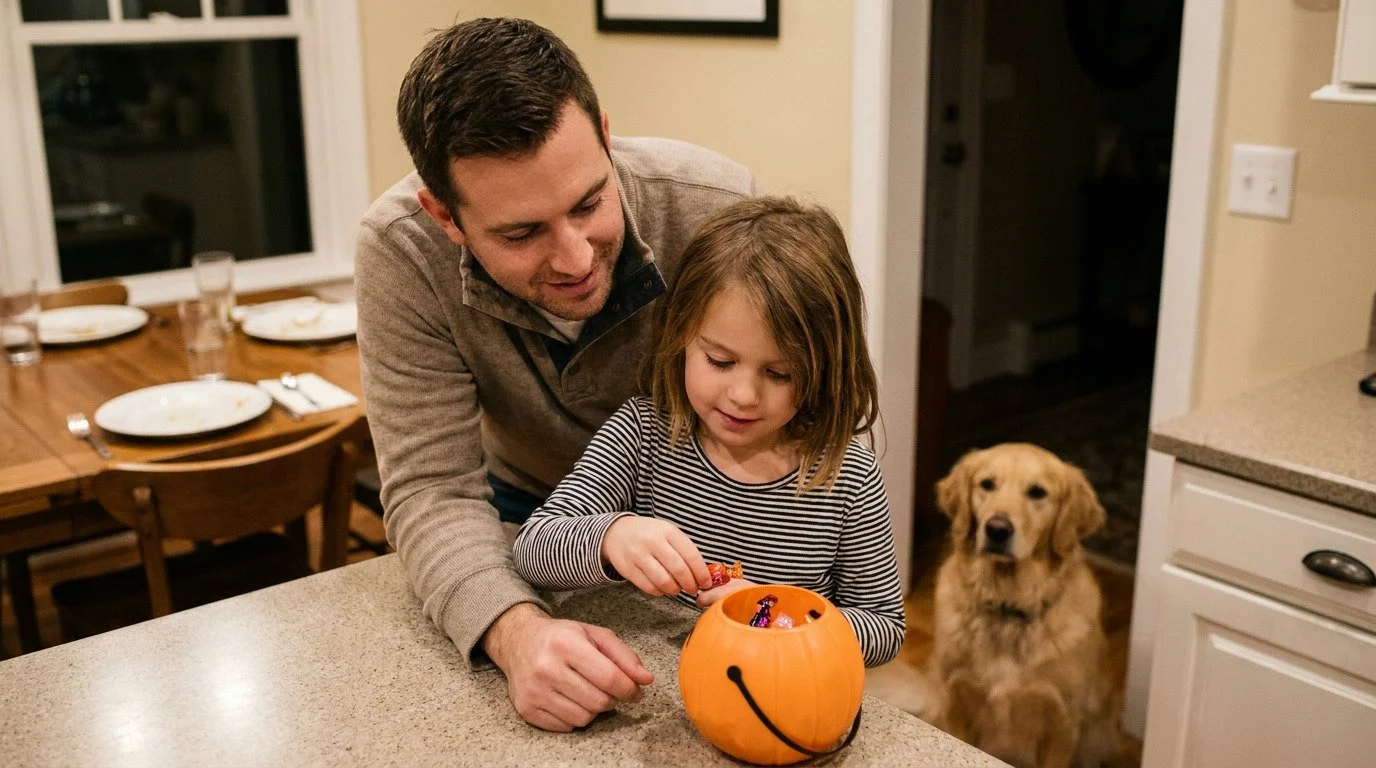
The timing of candy consumption plays a crucial role in minimizing its impact on dental health. Instead of continuous snacking throughout the day, which keeps teeth exposed to sugar, Dr. St. Pierre advises parents to create specific "candy times." This approach limits the duration of acid attacks on tooth enamel.
Justin found this advice particularly helpful for managing his children's post-trick-or-treat excitement. He decided that Lily and Ethan would pick a few pieces to enjoy immediately after dinner. The rest would be put away. This strategy helped avoid prolonged sugar exposure.
Dr. St. Pierre explained that eating candy with a meal is better because increased saliva production during meals helps rinse away sugar and food particles. Having a set time for treats rather than letting kids graze also makes it easier to ensure proper oral hygiene afterward. Immediately brushing teeth after consuming sweets is ideal. This mindful consumption helps protect smiles while still enjoying the fun.
Post-Candy Oral Hygiene Tips
After enjoying Halloween treats, diligent oral hygiene becomes even more important to protect young smiles. Thorough brushing and flossing are the best defenses against the sugar and acids left behind. Dr. St. Pierre emphasizes that this post-candy routine is a critical step in preventing cavities.
Justin always made sure Lily and Ethan brushed extra carefully on Halloween night. He watched them closely, ensuring they spent enough time cleaning every tooth. Amanda also helped them floss, especially after they had sticky candies. This concerted effort truly helped.
To effectively combat the effects of Halloween candy, Dr. St. Pierre offers these essential tips:
Brush Thoroughly: Children should brush their teeth for at least two minutes, covering all surfaces. Use a soft-bristled brush and fluoride toothpaste.
Floss Daily: Flossing removes trapped food particles and plaque from between teeth and along the gumline, areas brushing often misses.
Rinse with Water: After eating candy, have children rinse their mouths vigorously with water to help wash away loose sugar and food debris.
Wait to Brush After Sour Candies: If extremely sour candies were consumed, wait at least 30 minutes before brushing. This allows saliva to re-harden softened enamel.
Maintain Regular Cleanings: Schedule routine pediatric cleanings at Kindred Smiles Pediatric Dentistry to remove any plaque or tartar buildup.
The Role of Saliva and Water
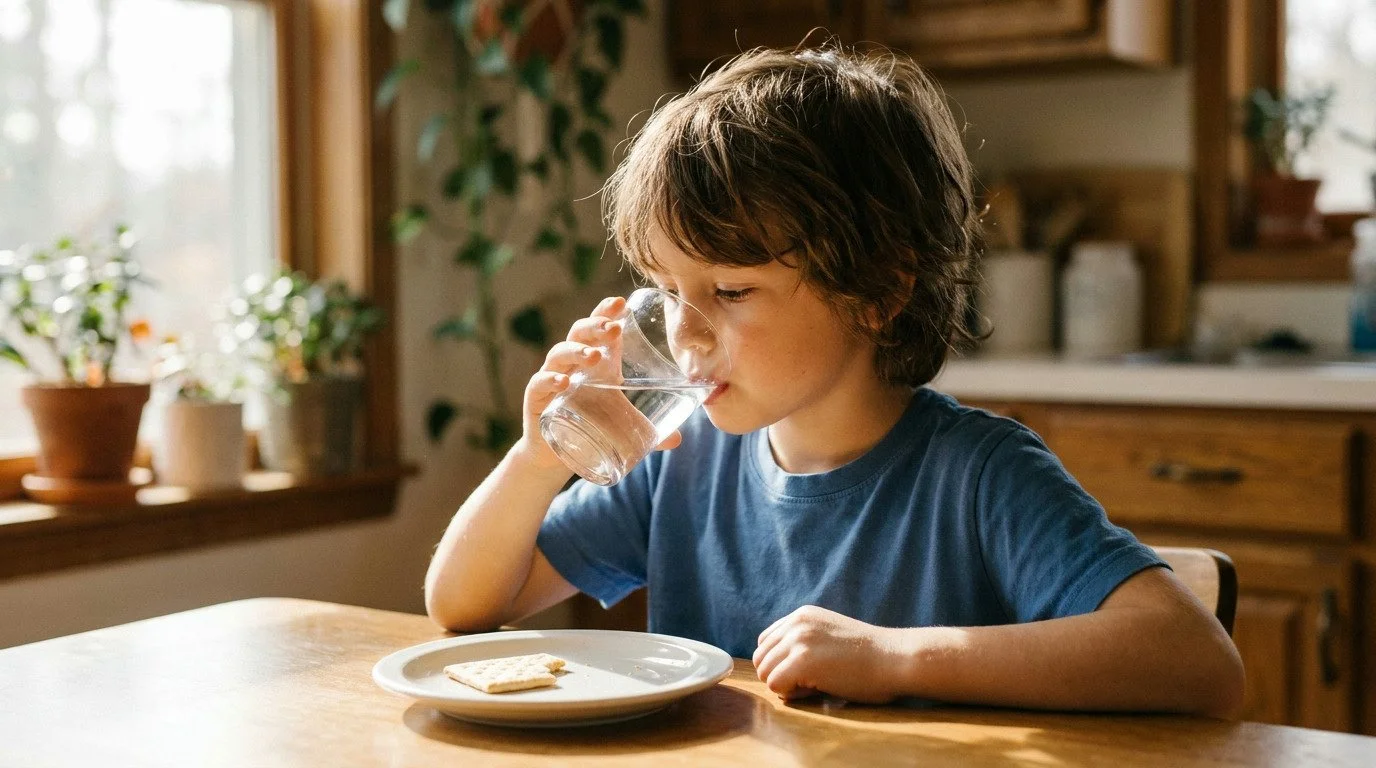
Saliva is a child's natural defense against tooth decay, playing a vital role in rinsing away food particles and neutralizing harmful acids. Encouraging plenty of water consumption, especially after eating candy, helps amplify saliva's protective effects. Dr. St. Pierre often highlights the power of hydration in maintaining oral health.
Justin made sure to keep water bottles handy for his kids. He knew that sugary drinks would only add to the problem, so water was always the preferred choice. Dr. St. Pierre explained that drinking water throughout the day, and especially after meals or snacks, helps wash away food debris. This simple habit keeps the mouth cleaner.
Water also rehydrates the mouth, which is essential for healthy saliva production. A well-hydrated mouth supports strong enamel and reduces the risk of cavities. It's a fundamental yet often overlooked aspect of pediatric dental care.
Professional Dental Care Matters
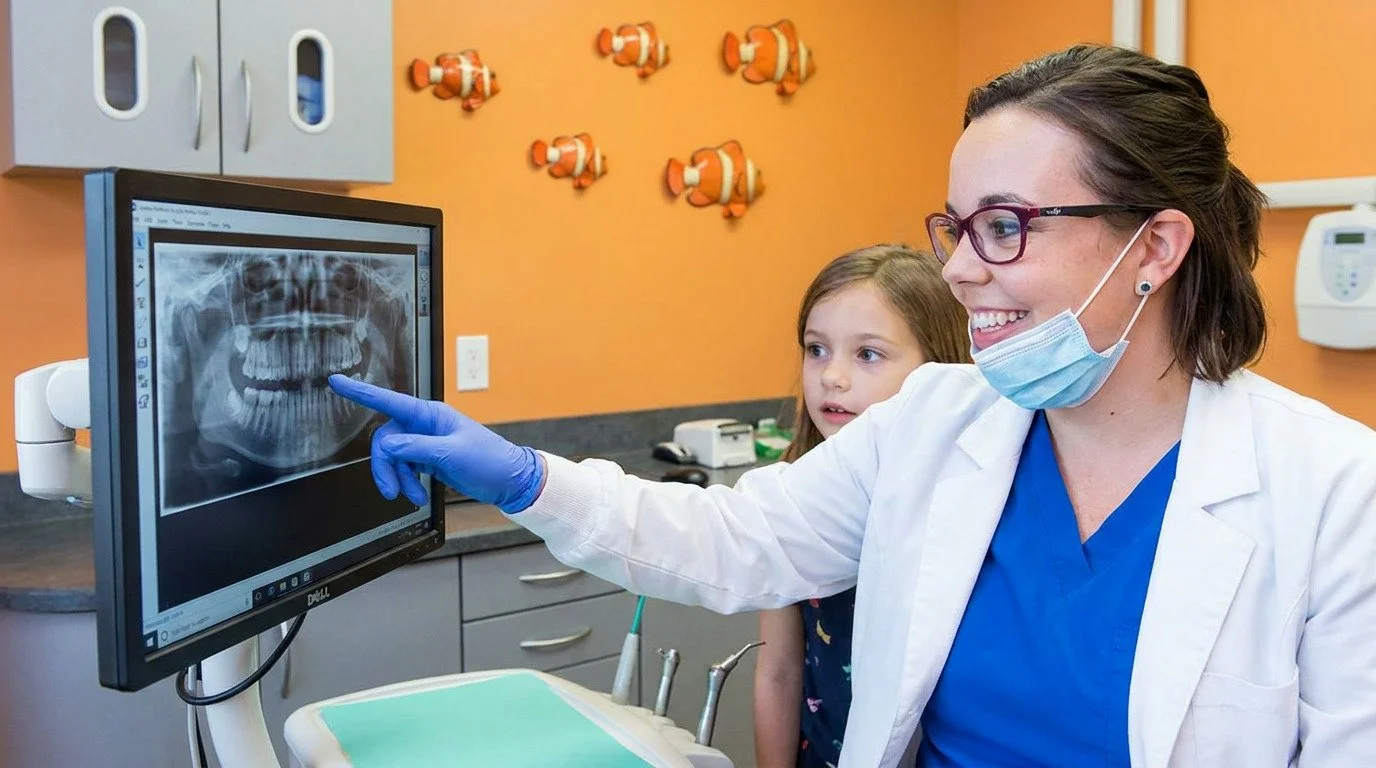
Beyond at-home practices, regular professional dental care is indispensable for maintaining a child's healthy smile, especially after periods of increased sugar intake like Halloween. Routine pediatric dental check-ups allow Dr. St. Pierre to monitor oral health, apply preventive treatments, and catch any potential issues early. Justin reliably brought Lily and Ethan for their appointments. These check-ups offer critical preventive measures.
He valued the personalized advice Dr. St. Pierre provided for his children. These visits were more than just cleanings; they were educational opportunities. Regular visits reinforce good habits.
Dr. St. Pierre often performs these preventive services:
Fluoride Treatments: These strengthen tooth enamel, making it more resistant to acid attacks and decay. They are especially beneficial for young, developing teeth.
Dental Sealants: Thin, protective coatings applied to the chewing surfaces of back teeth, where cavities most often occur, to seal out food particles and bacteria.
Early Orthodontic Evaluation: Dr. St. Pierre can assess developing bites and jaws, identifying potential issues early on.
Nutritional Guidance: Parents receive personalized advice on diet choices that support strong teeth and gums.
Nurturing Lasting Healthy Habits
Halloween, while a joyous occasion, serves as a timely reminder of the ongoing journey toward optimal dental health for children. It underscores the importance of parental guidance in fostering habits that extend far beyond a single holiday. Dr. Jackie St. Pierre believes that teaching children about balance and responsibility with treats equips them with valuable life skills.
These lessons help them understand that enjoying sweets is possible when paired with diligent care. Justin reflected on how much his approach to Halloween had evolved thanks to Dr. St. Pierre's wisdom. He saw Lily and Ethan making smarter choices, even reminding him to brush after candy. It was immensely rewarding to see their healthy habits blossoming. The children understood that a little planning allowed them to enjoy the festive fun without consequence.
Ultimately, dental health is a marathon, not a sprint. By implementing these strategies, parents like Justin can ensure that the magic of Halloween brings smiles that are not only bright with joy but also genuinely healthy. The foundation laid during these formative years will support a lifetime of strong, resilient teeth.

Frequently Asked Questions
1. What is the main dental risk of Halloween candy?
The main risk comes from prolonged sugar exposure, which feeds bacteria that produce acids, leading to tooth decay. Sticky and sour candies are particularly problematic because they cling to teeth and erode enamel more readily. Dr. Jackie St. Pierre emphasizes that duration of sugar contact matters most.
2. How quickly should children brush after eating Halloween candy?
Ideally, children should rinse with water right away, then brush about 30 minutes later. This helps remove sugar and food particles before they can cause significant damage. Dr. Jackie St. Pierre suggests a thorough two-minute brushing with fluoride toothpaste.
3. Are there any candies that are "safer" for teeth?
Yes, dark chocolate is often considered safer as it washes away more easily and contains less sugar than other candies. Sugar-free gum is also a good option, as it stimulates saliva flow. Dr. Jackie St. Pierre advises parents to avoid sticky, chewy, and sour treats.
4. Why is water important after eating candy?
Drinking water helps rinse away sugar and food debris from the teeth, and it stimulates saliva production. Saliva naturally neutralizes acids and helps protect enamel. Dr. Jackie St. Pierre recommends water as the best beverage choice for oral health.
5. What can Dr. Jackie St. Pierre do to protect my child's teeth after Halloween?
Dr. Jackie St. Pierre can provide fluoride treatments to strengthen enamel and apply dental sealants to protect chewing surfaces from cavities. Regular check-ups also allow her to monitor for any issues and offer personalized preventive advice.
6. Should I restrict my child's candy intake entirely after Halloween?
Complete restriction isn't usually necessary or sustainable. Instead, Dr. Jackie St. Pierre recommends moderation and establishing specific "candy times," perhaps after meals. This approach teaches healthy habits and allows children to enjoy treats without constant exposure to sugar.
