
Why Your Child's Gums Bleed When Brushing
Understanding Why Kids' Gums Bleed
Children's gums often bleed during brushing due to inflammation caused by inadequate oral hygiene, overly aggressive brushing, or the eruption of new teeth. While occasional bleeding might not be serious, persistent bleeding indicates a need for closer attention to your child's brushing habits and gum health.
When you notice your child's gums bleeding when brushing, it can be alarming for any parent. This issue, though common, shouldn't be ignored, as it can be a sign of underlying problems. At Kindred Smiles Pediatric Dentistry, we often help families in Groton, MA, understand these concerns and establish healthy oral care routines.
It's important to distinguish between normal occurrences, like teething, and more concerning issues such as gingivitis. Dr. Jackie St. Pierre emphasizes that gentle yet thorough brushing is crucial for children to prevent gum irritation and maintain optimal oral health.
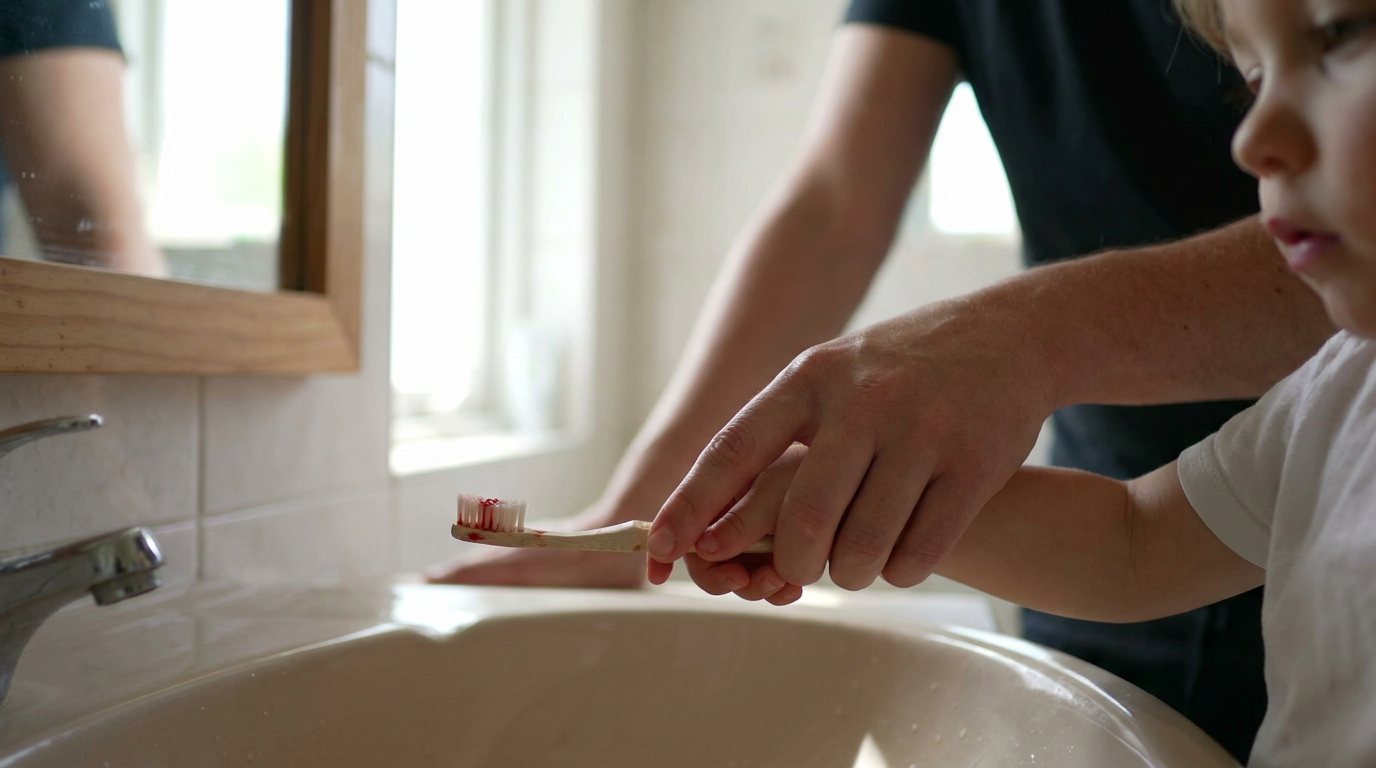
What Causes Pediatric Gum Bleeding?
Pediatric gum bleeding typically results from plaque buildup causing gingivitis, improper brushing technique (too hard or too infrequent), or the natural process of tooth eruption. Less commonly, dietary deficiencies or certain medical conditions can contribute to gum sensitivity and bleeding.
Several factors can contribute to children brushing bleeding gums. Understanding these causes is the first step toward addressing the issue effectively. It's often related to habits at home, but sometimes points to a need for professional guidance at Kindred Smiles.
Plaque Buildup: This is the most prevalent cause. When plaque isn't effectively removed from around the gum line, it hardens into tartar and irritates the gums, leading to inflammation called gingivitis. Inflamed gums are much more likely to bleed when brushed.
Aggressive Brushing: While thorough brushing is good, scrubbing too hard can damage delicate gum tissue. Children, especially young ones, may not understand the correct pressure to apply.
Improper Brushing Technique: Incorrect angles or missed areas allow plaque to accumulate, especially near the gums. Teaching proper technique is key to preventing this.
New Teeth Erupting: As baby teeth fall out and permanent teeth come in, the gums can become tender and bleed easily around the eruption sites. This is usually temporary and resolves once the tooth fully emerges.
Dietary Factors & Medical Conditions: Rarely, a diet lacking in essential vitamins, or certain medical conditions and medications, can make gums more susceptible to bleeding.
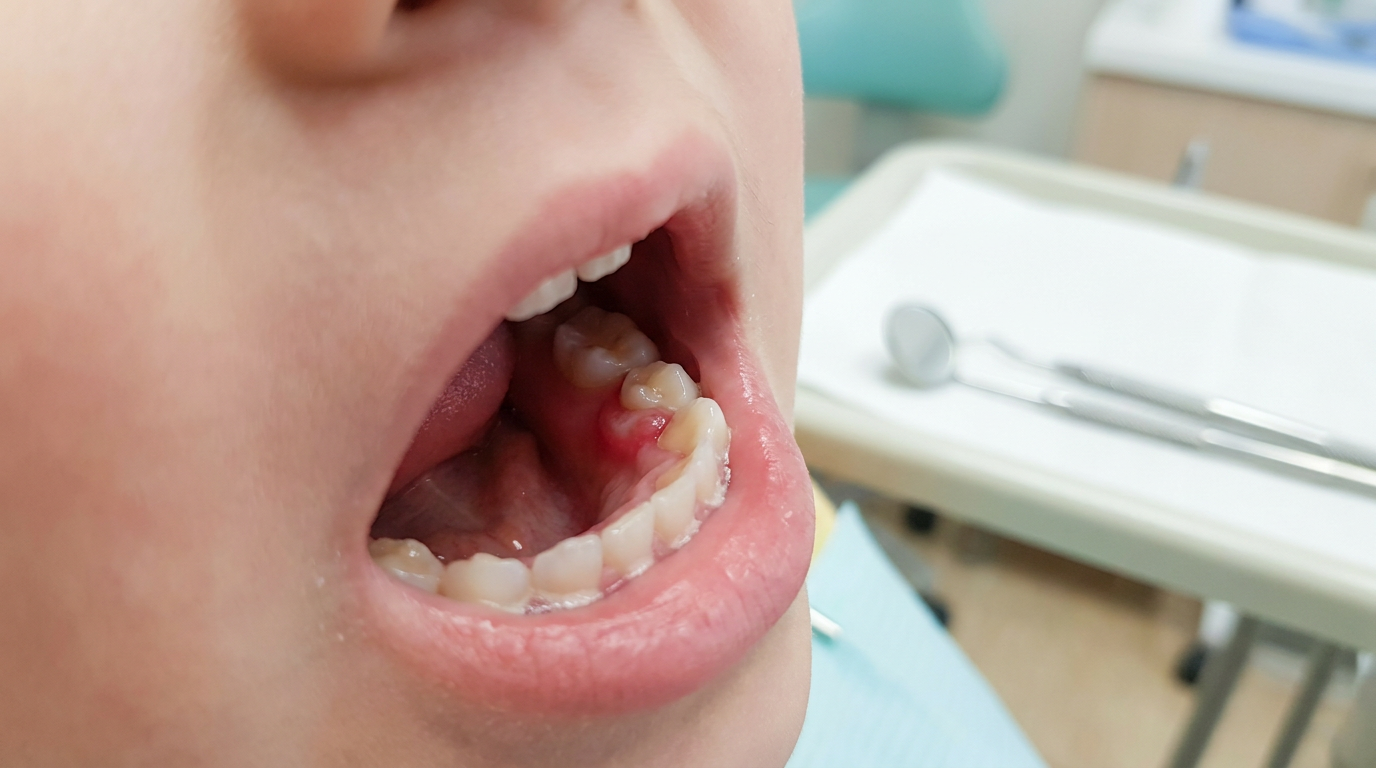
When Is Bleeding Gums Normal for Kids?
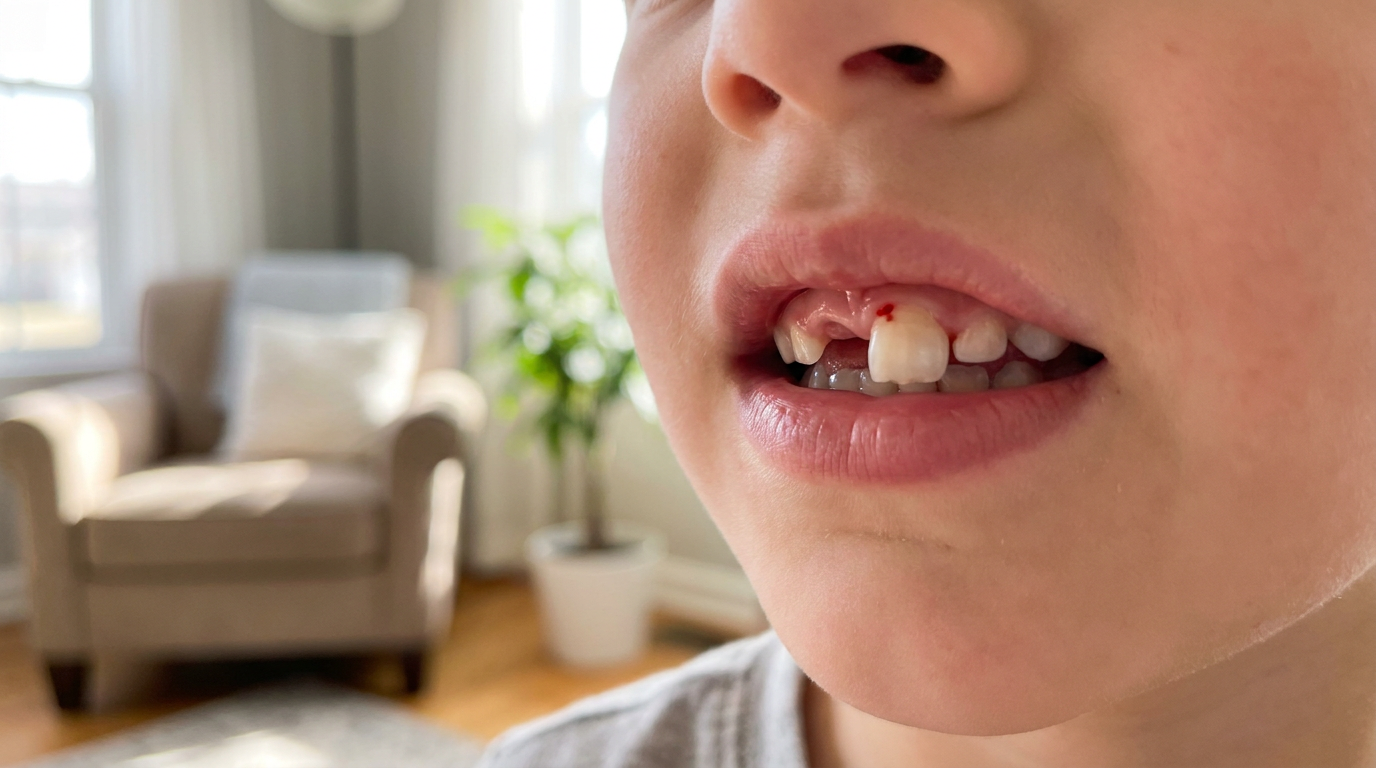
Minor bleeding might be normal when a child is losing a baby tooth or when a new permanent tooth erupts. This temporary sensitivity typically subsides as the tooth fully emerges, and the surrounding gum tissue adapts to the changes in the mouth.
It's natural for parents to worry, but not all instances of bleeding gums are cause for alarm. Knowing when it's just a temporary phase can alleviate some concern. At our Groton practice, Dr. Jackie St. Pierre often reassures parents about normal developmental bleeding.
Tooth Eruption: When a brand-new tooth is breaking through the gum tissue, it causes localized inflammation and tenderness. It's not uncommon for a small amount of blood to appear during brushing near these new teeth.
Loose Baby Teeth: As baby teeth become very loose, they put pressure on the surrounding gum tissue. Brushing around these wobbly teeth can easily cause some bleeding. This is a sign that the tooth is ready to come out.
Initial Brushing Habit Changes: Sometimes, if a child suddenly starts brushing more effectively after a period of missed spots, their gums might bleed a little as they begin to heal and toughen up. This is usually short-lived healing bleeding.
If the bleeding is consistent, plentiful, or occurs without a clear trigger like a loose tooth, it's best to consult with a pediatric dentist like Dr. Jackie St. Pierre at Kindred Smiles Pediatric Dentistry in Groton.
Preventing Gum Bleeding in Children
Preventing gum bleeding in children primarily involves consistent and effective oral hygiene, including proper brushing techniques and regular flossing. A healthy diet and routine dental checkups also play crucial roles in maintaining strong, healthy gums.
The most effective way to prevent your child's gums from bleeding is by establishing excellent oral hygiene habits early on. This involves more than just brushing; it's about a comprehensive approach to dental care that we advocate at Kindred Smiles Pediatric Dentistry.
Dr. Jackie St. Pierre recommends parents actively supervise and assist with brushing, especially for younger children. Ensuring they use a soft-bristled toothbrush and the correct amount of fluoride toothpaste is essential. Brushing twice a day for two minutes each time helps remove plaque effectively. Additionally, regular dental cleanings at our Groton office are vital for removing any plaque and tartar buildup that at-home brushing might miss.

How to Teach Proper Brushing Technique for Kids
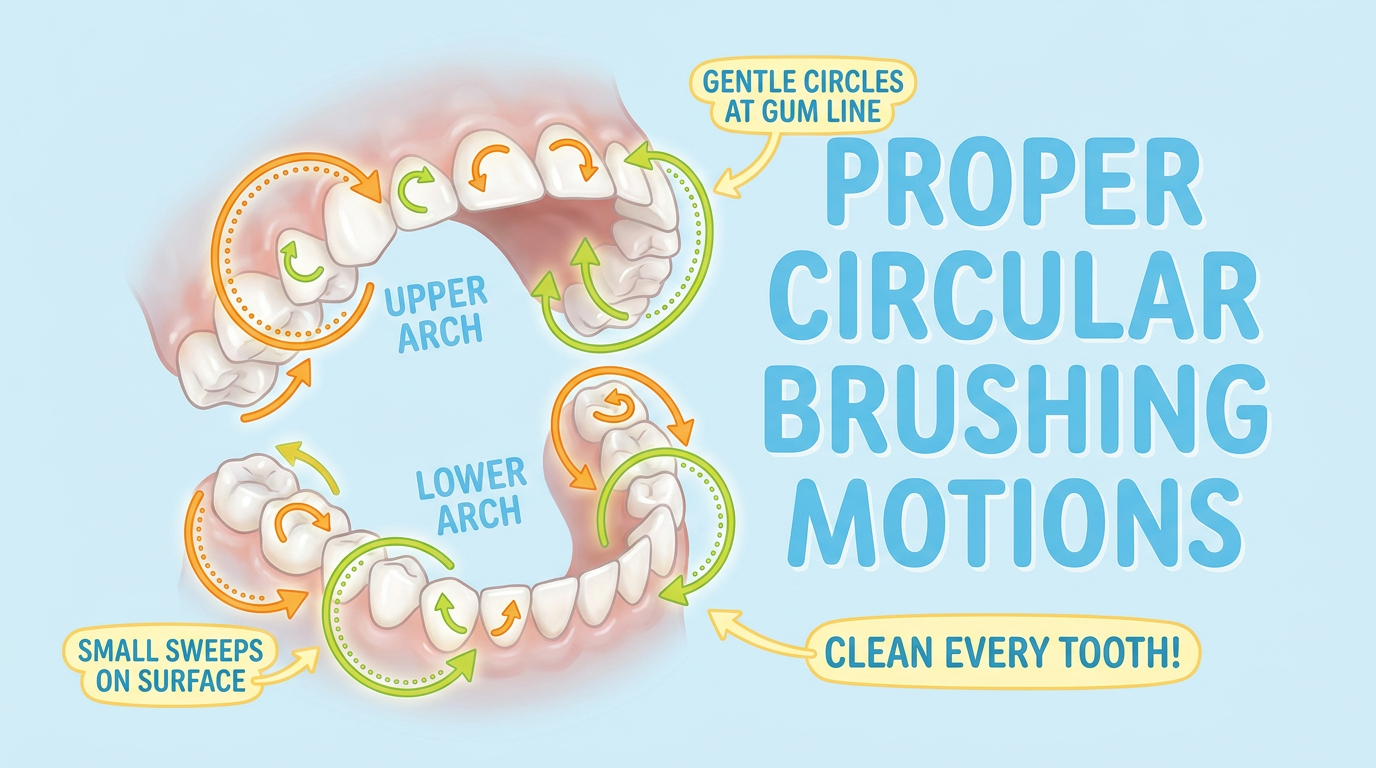
Teaching proper brushing involves demonstrating gentle, circular motions with a soft-bristled brush, cleaning all tooth surfaces and the gum line. Parents should supervise young children, making brushing a fun and consistent routine to instill good habits.
An effective brushing technique is paramount to preventing gum issues and ensuring thorough cleaning. Dr. Jackie St. Pierre and her team at Kindred Smiles can provide personalized guidance during your child's routine dental checkup in Groton. Here are some general tips:
Choose the Right Tools: Use a soft-bristled toothbrush with a small head that fits comfortably in your child's mouth. For younger children, ensure the handle is easy for them (and you) to hold.
Pea-Sized Toothpaste: For children ages 3-6, use a pea-sized amount of fluoride toothpaste. For children under 3, just a smear the size of a grain of rice is sufficient.
Gentle Circles: Teach your child to hold the toothbrush at a 45-degree angle to the gums. Instruct them to brush in short, gentle, circular motions, rather than scrubbing vigorously back and forth.
Cover All Surfaces: Guide them to brush all surfaces of every tooth – outer, inner, and chewing surfaces. Don't forget the tongue to remove bacteria and freshen breath.
Make it Fun: Use a timer, play a song, or use a sticker chart to make the two-minute brushing time more engaging. Lead by example and brush your teeth alongside them.
Introduce Flossing Early: Once two teeth touch, introduce flossing. This removes plaque and food particles that brushing can't reach, significantly reducing the risk of gum inflammation.
When to See a Dentist About Bleeding Gums
You should consult a pediatric dentist if your child's gums bleed consistently, spontaneously, or are accompanied by redness, swelling, or pain. Persistent bleeding often indicates gingivitis or another underlying issue requiring professional evaluation and intervention.
While some minor bleeding can be transient, persistent or concerning bleeding warrants a professional evaluation. Dr. Jackie St. Pierre at Kindred Smiles Pediatric Dentistry encourages parents in Groton to pay attention to these signs and schedule an appointment when needed.
If you notice that your 8 year old gums bleeding frequently, or if the bleeding is accompanied by other symptoms like persistent bad breath, tenderness, swelling, or redness, it's time to visit us. These symptoms could indicate gingivitis, an early stage of gum disease, which is treatable but requires dental care. Addressing these issues promptly can prevent more serious problems down the line. Our team can assess the situation and recommend a tailored dental cleaning and care plan.

Professional Treatments for Pediatric Gum Issues
Professional treatments for pediatric gum issues typically include thorough dental cleanings to remove plaque and tartar, education on proper oral hygiene, and, in some cases, targeted fluoride applications to strengthen enamel and reduce sensitivity.
When at-home care isn't enough, professional interventions at Kindred Smiles Pediatric Dentistry can effectively address and resolve pediatric gum issues. Dr. Jackie St. Pierre offers several services tailored to children's needs to restore gum health.
Professional Dental Cleanings: A comprehensive dental cleaning by our hygienists can remove stubborn plaque and tartar buildup that regular brushing cannot. This is often the first and most crucial step in reversing gingivitis.
Oral Hygiene Instruction: Our team provides personalized instruction to both children and parents on proper brushing and flossing techniques, ensuring you have the tools to maintain good oral health at home.
Fluoride Treatments: Applied topically, fluoride can strengthen tooth enamel, making teeth more resistant to decay and reducing sensitivity often associated with gum inflammation.
Dietary Counseling: We can offer guidance on nutrition, emphasizing foods that promote oral health and advising on reducing sugary snacks and drinks that contribute to plaque formation.
For more severe cases, or if other underlying conditions are suspected, Dr. Jackie St. Pierre may recommend specialized gum care or further diagnostic steps to ensure your child receives the most appropriate treatment.
What This Means for Your Child's Oral Health
Understanding why your child's gums might bleed during brushing is a critical step toward ensuring their long-term oral health. While it can be disconcerting, most instances of gum bleeding in children are treatable and preventable with proper care and attention. Consistent daily oral hygiene, including gentle but thorough brushing and regular flossing, is the foundation. Coupled with routine visits to a pediatric dentist, your child can enjoy a healthy, vibrant smile.
At Kindred Smiles Pediatric Dentistry in Groton, Dr. Jackie St. Pierre and her compassionate team are dedicated to educating families and providing the highest quality of care. We understand the unique needs of children and strive to create a positive and comfortable environment for every visit. If you're concerned about your child's oral health, including bleeding gums, remember that early intervention is key. We are here to support you and your child in developing lifelong healthy habits, ensuring their smiles remain bright and their gums healthy. Don't hesitate to reach out to us with any questions or to schedule a consultation.

Frequently Asked Questions
1. Why are my child's gums bleeding when brushing?
Your child's gums may bleed due to plaque buildup causing inflammation (gingivitis), brushing too hard, or new teeth erupting.
2. Is it normal for a toddler's gums to bleed when brushing?
Minor bleeding can be normal if a toddler is teething or just getting used to brushing, but persistent bleeding warrants a dental check-up.
3. What is gingivitis in children?
Gingivitis in children is gum inflammation caused by plaque buildup, leading to redness, swelling, and bleeding gums. It's often reversible with good oral hygiene.
4. How can I stop my child's gums from bleeding?
You can help stop bleeding gums by ensuring your child brushes gently with a soft-bristled brush, flosses daily, and maintains regular dental checkups.
5. What kind of toothbrush should my child use?
Your child should use a soft-bristled toothbrush with a small head appropriate for their age, as recommended by Dr. Jackie St. Pierre.
6. How often should my child visit the dentist?
Children should visit the dentist for a dental checkup twice a year for preventive care and early detection of issues.
7. Can diet affect my child's gum health?
Yes, a diet high in sugar can contribute to plaque formation, while a balanced diet supports overall oral health and strong gums.
8. Should I be worried if my child's gums bleed after flossing?
Initial bleeding after flossing can occur if gums are inflamed, but it should improve with consistent, gentle flossing. If not, consult a dentist.
9. What if my child has special needs and bleeding gums?
Kindred Smiles Pediatric Dentistry specializes in special needs dentistry and can provide tailored care and techniques for children with unique challenges.
10. How quickly can bleeding gums improve with proper care?
With consistent and proper oral hygiene, minor gum bleeding due to gingivitis can often show significant improvement within one to two weeks.
