
Why Your Two-Year-Old's Gums Bleed Brushing
Gentle Care for Little Gums
Seeing a child’s gums bleed during brushing can be alarming, but it often signals easily manageable issues, most commonly gingivitis. This early stage of gum inflammation is typically reversible with improved oral hygiene practices at home and professional pediatric care.
It’s a common concern for many parents, and understanding its causes is the first step toward healthier smiles. Zoe, a mother of a two-year-old, felt a familiar pang of worry when she noticed bright red spots on her daughter's toothbrush. Her daughter, Ashley, had recently started brushing more independently, but the sight of blood was unsettling.
Zoe had always prioritized Ashley's oral health, but this unexpected development left her wondering what she might be missing. She recalled a friend mentioning similar issues, prompting Zoe to seek professional guidance. Dr. Jackie St. Pierre at Kindred Smiles Pediatric Dentistry has seen this scenario many times. She understands a parent's concern and emphasizes that early intervention is key.

Why Toddlers' Gums Bleed
Toddlers' gums can bleed for several reasons, but the most frequent culprit is gingivitis, caused by plaque buildup along the gumline. When plaque is not thoroughly removed, the bacteria irritate the gums, leading to inflammation, redness, and bleeding. This is often an early warning sign that brushing techniques need refinement.
Zoe explained her concerns during Ashley’s visit to Kindred Smiles Pediatric Dentistry. She described how Ashley sometimes resisted brushing, making thorough cleaning a challenge. Dr. Jackie St. Pierre reassured Zoe that this is a very common phase for toddlers.
She gently explained how plaque irritates delicate gum tissue. Dr. Jackie St. Pierre emphasized that even small amounts of plaque can cause significant inflammation in young children. She noted that children’s gum tissues are particularly sensitive. Addressing the plaque quickly can prevent more serious issues.
Common Causes of Bleeding Gums
Plaque buildup: Inadequate brushing allows bacteria to accumulate, leading to inflammation.
Improper brushing technique: Brushing too hard or with a worn-out toothbrush can irritate delicate gums.
Dietary factors: Frequent sugary snacks and drinks can contribute to plaque formation.
Teething: Erupting teeth can sometimes make gums sensitive and prone to minor bleeding.
Dry mouth: Reduced saliva flow can make the mouth more susceptible to bacterial growth.

How to Help Sore Gums
Helping sore and bleeding gums in toddlers typically involves a two-pronged approach: improving home care and professional intervention. Gentle, consistent brushing is paramount, along with regular check-ups with a pediatric dentist. Dr. Jackie St. Pierre advises parents to make brushing a positive experience.
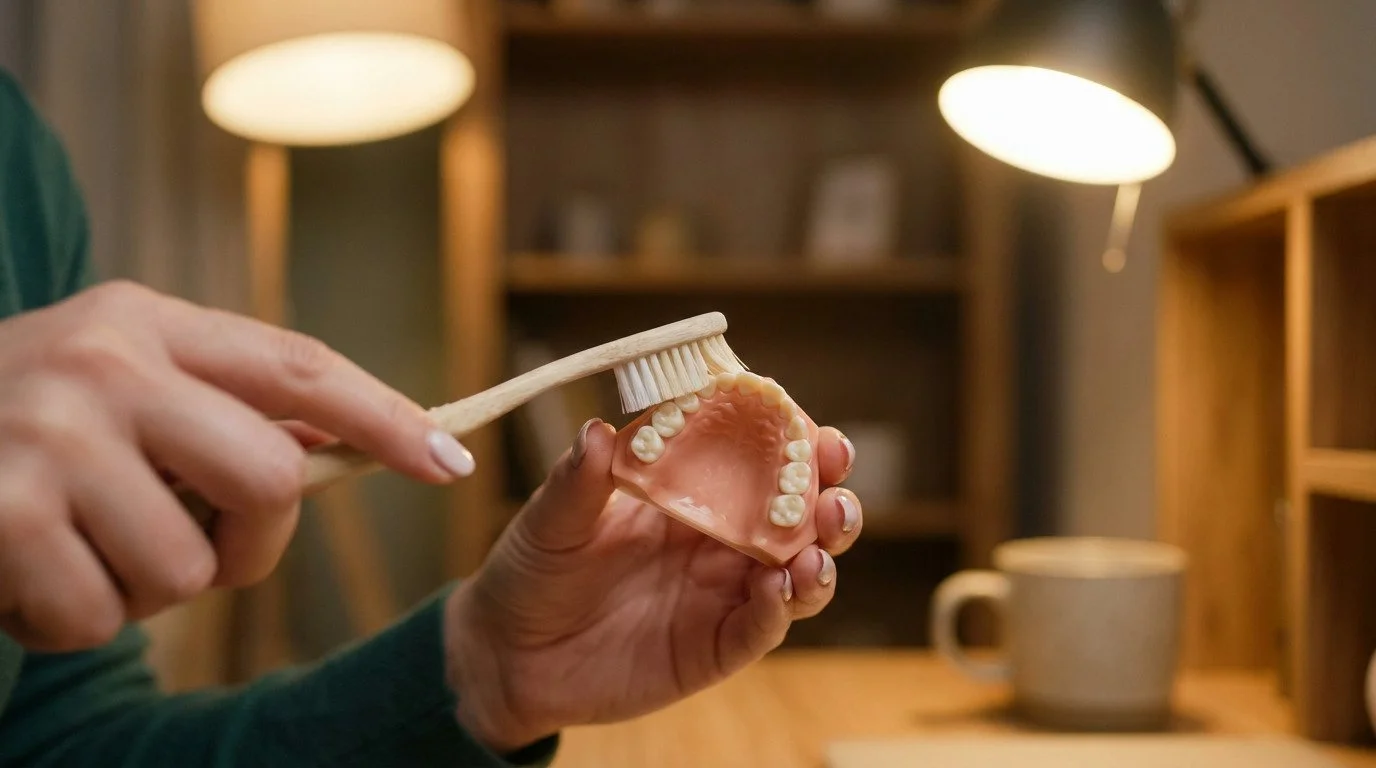
Zoe was eager for practical advice on how to improve Ashley's oral hygiene. Dr. Jackie St. Pierre demonstrated a gentle brushing technique suitable for toddlers. She recommended a soft-bristled toothbrush designed for young children. This approach helps remove plaque effectively without causing further irritation.
She also suggested supervising Ashley's brushing closely to ensure all surfaces are cleaned. Consistency, even for just two minutes, twice a day, makes a significant difference. Zoe felt more confident after seeing the correct method.
Effective Home Care Steps
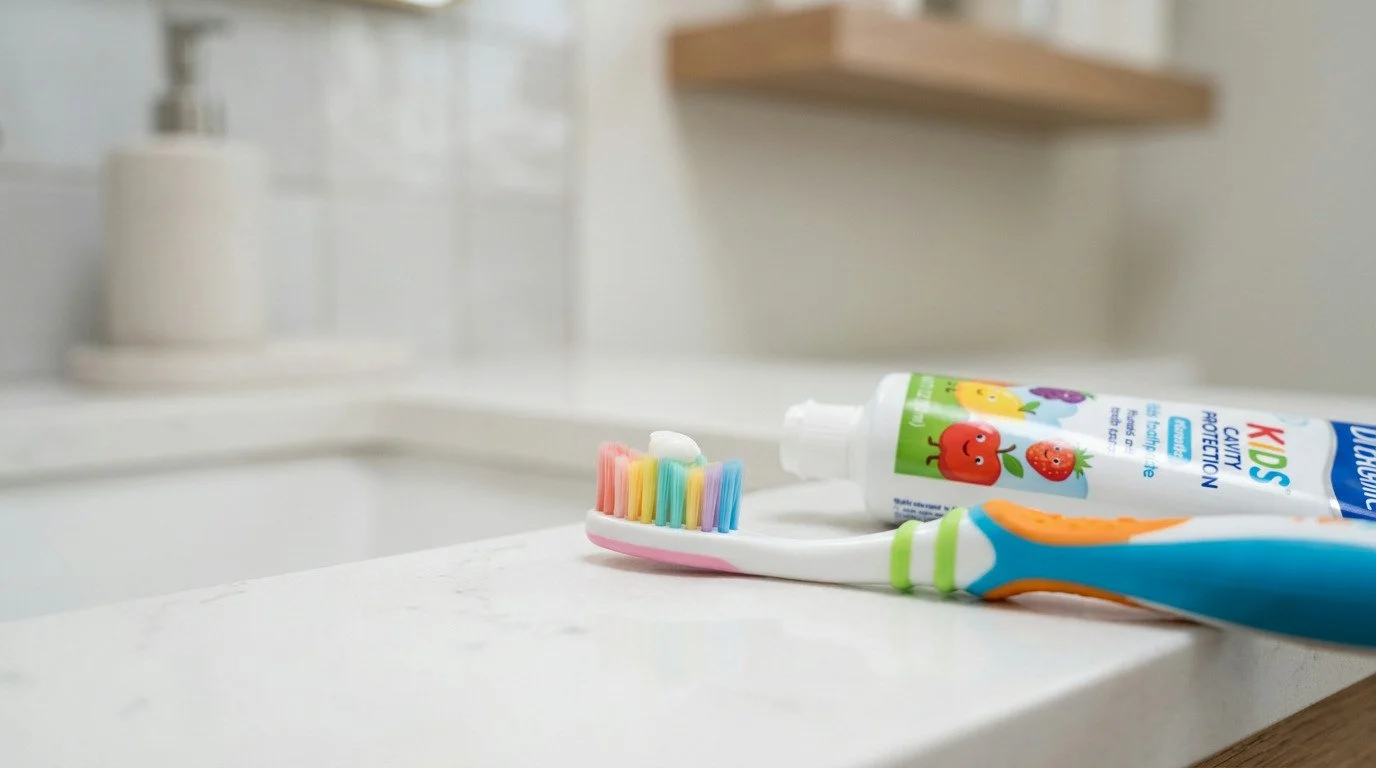
Use a soft-bristled brush: Always opt for a toothbrush with very soft bristles to protect delicate gum tissue.
Gentle brushing motion: Use small, circular motions, angling the brush at 45 degrees towards the gumline.
Fluoride toothpaste: A tiny smear of fluoride toothpaste, no larger than a grain of rice, is appropriate for toddlers.
Supervise brushing: Ensure your child brushes for two minutes, twice daily, covering all tooth surfaces.
Healthy diet: Limit sugary foods and drinks that contribute to plaque and gum irritation.
When to See a Pediatric Dentist
While minor bleeding might resolve with improved home care, persistent or significant gum bleeding always warrants a visit to a pediatric dentist. Dr. Jackie St. Pierre stresses that early professional assessment can identify underlying causes and prevent conditions from worsening. A professional cleaning can remove stubborn plaque and tartar.
Zoe initially hesitated, thinking she could manage Ashley’s bleeding gums alone. However, after a few days, the bleeding persisted, even with her diligent efforts. She realized that Ashley needed professional attention. Dr. Jackie St. Pierre quickly scheduled Ashley for an examination.
During the visit, Dr. Jackie St. Pierre confirmed that Ashley had mild gingivitis. She explained that sometimes, plaque can harden into tartar, which a toothbrush cannot remove. This requires a professional dental cleaning.
What Happens During a Dental Cleaning?
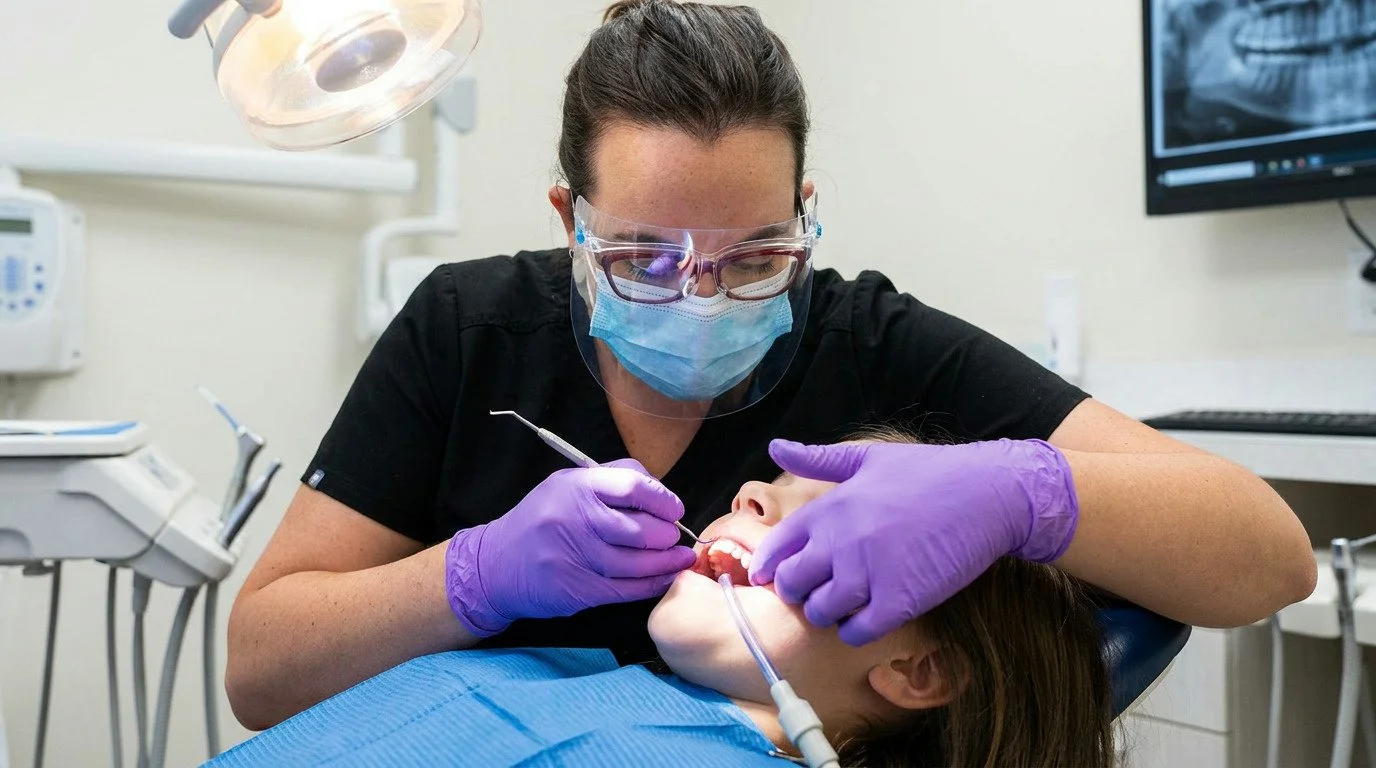
A pediatric dental cleaning is a gentle yet thorough process designed to remove plaque and tartar from a child’s teeth and gumline. Dr. Jackie St. Pierre and her team at Kindred Smiles Pediatric Dentistry specialize in making this experience positive and comfortable for young patients. They use child-friendly language and techniques.
For Ashley’s cleaning, the hygienist used a special tool to gently scale away any built-up plaque and tartar. Ashley was a little nervous at first, but the hygienist’s calm demeanor and fun explanations quickly put her at ease. She even got to choose a prize at the end, which made the whole experience much more enjoyable.
Zoe was impressed by the team’s patience and skill. After the cleaning, Dr. Jackie St. Pierre applied a fluoride treatment to strengthen Ashley’s enamel and protect against future cavities. She also reiterated the importance of regular dental visits. Ashley left with a sparkling smile and a new sense of pride.
Key Aspects of Pediatric Cleanings
Plaque and tartar removal: Specialized instruments gently remove hardened deposits from teeth and gum surfaces.
Polishing: Teeth are polished to remove surface stains and create a smooth surface, making it harder for plaque to stick.
Fluoride application: A fluoride varnish or gel is applied to strengthen enamel and prevent cavities.
Oral hygiene instruction: Parents receive personalized guidance on proper brushing and flossing techniques for their child.
Dental examination: Dr. Jackie St. Pierre performs a comprehensive check for any developing issues, such as cavities or alignment problems.
Preventing Future Gum Bleeding
Preventing future gum bleeding in toddlers largely hinges on establishing and maintaining excellent daily oral hygiene habits. Consistent and effective brushing is the cornerstone of prevention, along with a balanced diet. Dr. Jackie St. Pierre emphasizes that these habits should start early.
Zoe felt empowered with the knowledge and tools Dr. Jackie St. Pierre provided. She now understood that it wasn't just about brushing, but about consistent and correct technique. She made brushing Ashley's teeth a fun, interactive routine every morning and night. They sang songs and made funny faces, turning a chore into a delightful bonding time.
Dr. Jackie St. Pierre also advised limiting sugary snacks and drinks, which are primary contributors to plaque buildup. She encouraged water consumption throughout the day to help rinse away food particles. Zoe noticed a significant improvement in Ashley’s gum health within a couple of weeks.

Link to Overall Health?
Yes, there is a significant link between oral health, including gum health, and a child’s overall well-being. The mouth is often considered a gateway to the rest of the body. Gum inflammation can be a sign of systemic issues or, if left untreated, can contribute to other health problems over time.
Dr. Jackie St. Pierre educated Zoe about the broader implications of maintaining good oral hygiene. She explained that untreated gum disease could potentially affect a child's general health, though serious systemic links are less common in toddlers. Good oral hygiene supports proper nutrition and speech development.
This insight motivated Zoe even further to prioritize Ashley’s dental care. She understood that a healthy mouth was an integral part of a healthy child. Regular check-ups with Dr. Jackie St. Pierre became a non-negotiable part of their routine.
Holistic Benefits of Healthy Gums
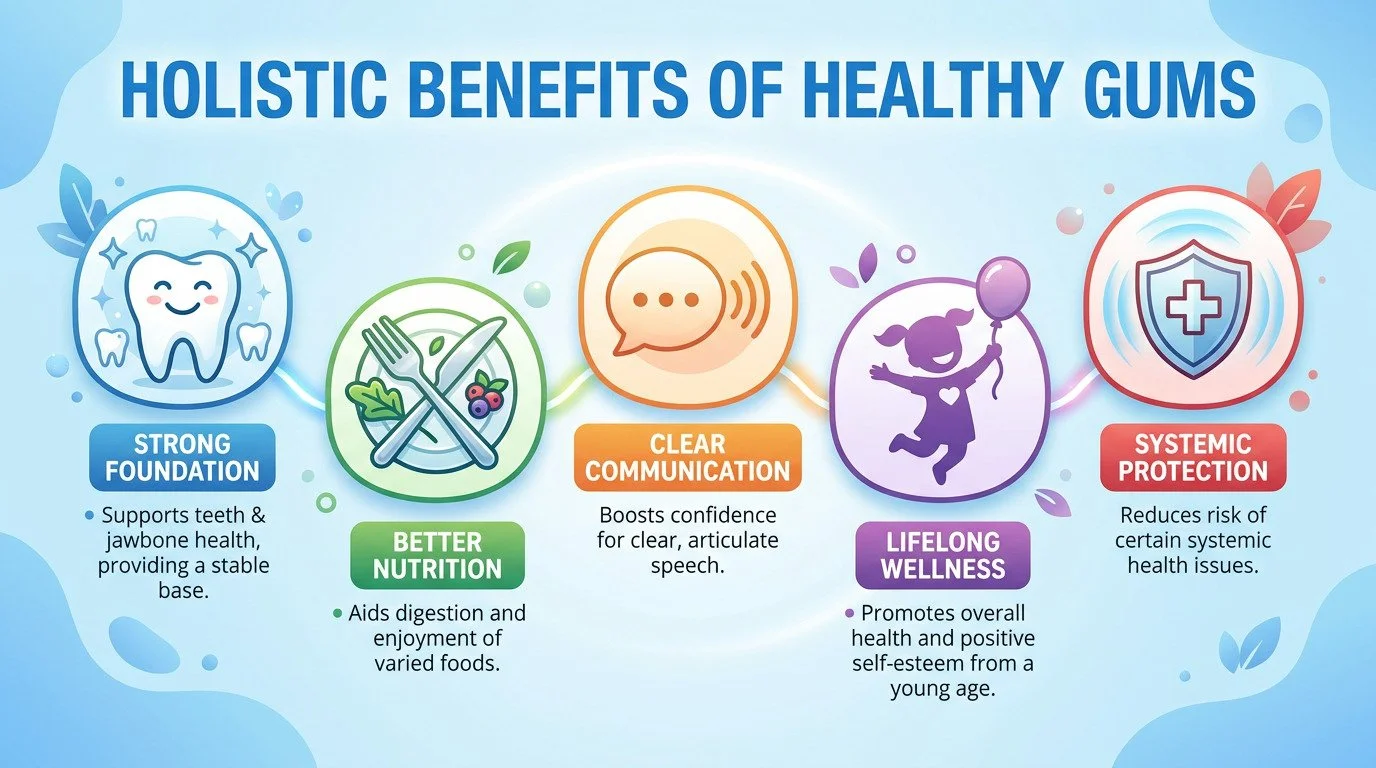
Prevents pain and discomfort: Healthy gums mean less sensitivity and pain during eating or brushing.
Supports healthy eating habits: Children can comfortably chew a variety of nutritious foods, aiding growth.
Aids speech development: Healthy oral structures contribute to clear articulation and speech.
Boosts confidence: A healthy, bright smile can improve a child's self-esteem.
Reduces risk of future dental problems: Healthy gums are less likely to develop advanced periodontal disease or contribute to tooth loss.

A Brighter Smile Ahead
The journey with Ashley’s bleeding gums, while initially concerning for Zoe, ultimately became a valuable lesson in proactive pediatric dental care.
Through the compassionate guidance of Dr. Jackie St. Pierre, Zoe gained a deeper understanding of her daughter's oral health needs and the confidence to address them effectively. The visible improvement in Ashley's gums served as a powerful testament to their combined efforts.
Ashley's cheerful visits to Kindred Smiles Pediatric Dentistry transformed from moments of apprehension into eagerly anticipated events. She learned that the dentist's office was a friendly place, not one to fear, and that taking care of her teeth could even be fun. This positive early experience set her on a path toward lifelong dental wellness.
Zoe now shares her story with friends like another patient, emphasizing the importance of not overlooking even minor signs of gum issues in children. Her experience highlights how simple, consistent changes at home, coupled with expert professional care from Dr. Jackie St. Pierre, can make all the difference in a child’s oral health journey. It was a reminder that small concerns can have big solutions when addressed with care and knowledge.
Frequently Asked Questions
1. What does it mean if my toddler's gums bleed when brushing?
If your toddler's gums bleed during brushing, it most commonly indicates gingivitis, an early stage of gum inflammation. This is usually caused by inadequate plaque removal, leading to irritation and sensitivity of the gum tissue. Dr. Jackie St. Pierre recommends addressing this with improved brushing techniques.
2. How often should a toddler's teeth be brushed?
A toddler's teeth should be brushed twice a day, every morning and every night, for two minutes each time. This consistent routine helps remove plaque effectively and prevents gum inflammation and cavities. Dr. Jackie St. Pierre advises supervising young children during brushing.
3. Is fluoride toothpaste safe for toddlers?
Yes, fluoride toothpaste is safe and recommended for toddlers. A tiny smear, no larger than a grain of rice, should be used for children under three. Fluoride helps strengthen tooth enamel and significantly reduces the risk of cavities, as Dr. Jackie St. Pierre often explains.
4. Can teething cause bleeding gums?
Teething can sometimes cause mild gum sensitivity and occasional minor bleeding as new teeth erupt through the gum tissue. However, persistent or significant bleeding is more likely due to plaque buildup and gingivitis. Dr. Jackie St. Pierre can differentiate between these causes.
5. What happens if gingivitis in a toddler is left untreated?
If gingivitis in a toddler is left untreated, it can lead to more advanced gum disease and potentially affect overall oral health. Untreated inflammation can contribute to discomfort, difficulty eating, and, in severe cases, impact developing permanent teeth. Dr. Jackie St. Pierre emphasizes early intervention for best outcomes.
6. When should my child have their first dental visit?
A child should have their first dental visit by their first birthday or within six months of their first tooth erupting, whichever comes first. Early visits help establish a "dental home" and allow Dr. Jackie St. Pierre to provide preventive care and advice.
