
Preparing for a Pediatric Dental Visit
A routine pediatric teeth cleaning keeps young smiles healthy by gently clearing away plaque buildup, checking enamel development, and establishing positive oral habits early. These gentle visits help children build confidence in the dental chair while allowing clinicians to monitor spacing, jaw growth, and gum health before minor concerns become complex issues.
Abigail, the mother of an energetic four-year-old, felt a wave of uncertainty when booking her son's upcoming hygiene visit in Groton. She worried about how he would react to unfamiliar sounds and new instruments.
To ease her concerns, Abigail scheduled a visit with Dr. Jackie St. Pierre at Kindred Smiles. She hoped to learn practical strategies for preparing a child for the dentist beforehand.

How to Talk to Your Child First
Framing the upcoming visit with calm, positive language helps young children feel secure and curious rather than apprehensive. Parents set the emotional tone by avoiding trigger words like pain, needles, or drill and replacing them with simple, friendly descriptions of gentle tooth counting and polishing.
Abigail spent the week reading picture books about dental visits with her son, focusing on how fun it is to have sparkly clean teeth. When introducing the concept at home, several simple techniques can make conversations go smoothly:
Use simple vocabulary that explains dental care as a fun, gentle counting game.
Avoid sharing personal dental anxieties so children do not inherit adult fears before arriving.
Role-play the checkup using a favorite stuffed animal to demonstrate opening wide happily.
Keep explanations brief to prevent overthinking or building unnecessary anticipation beforehand.
What Tools Does the Hygienist Use?
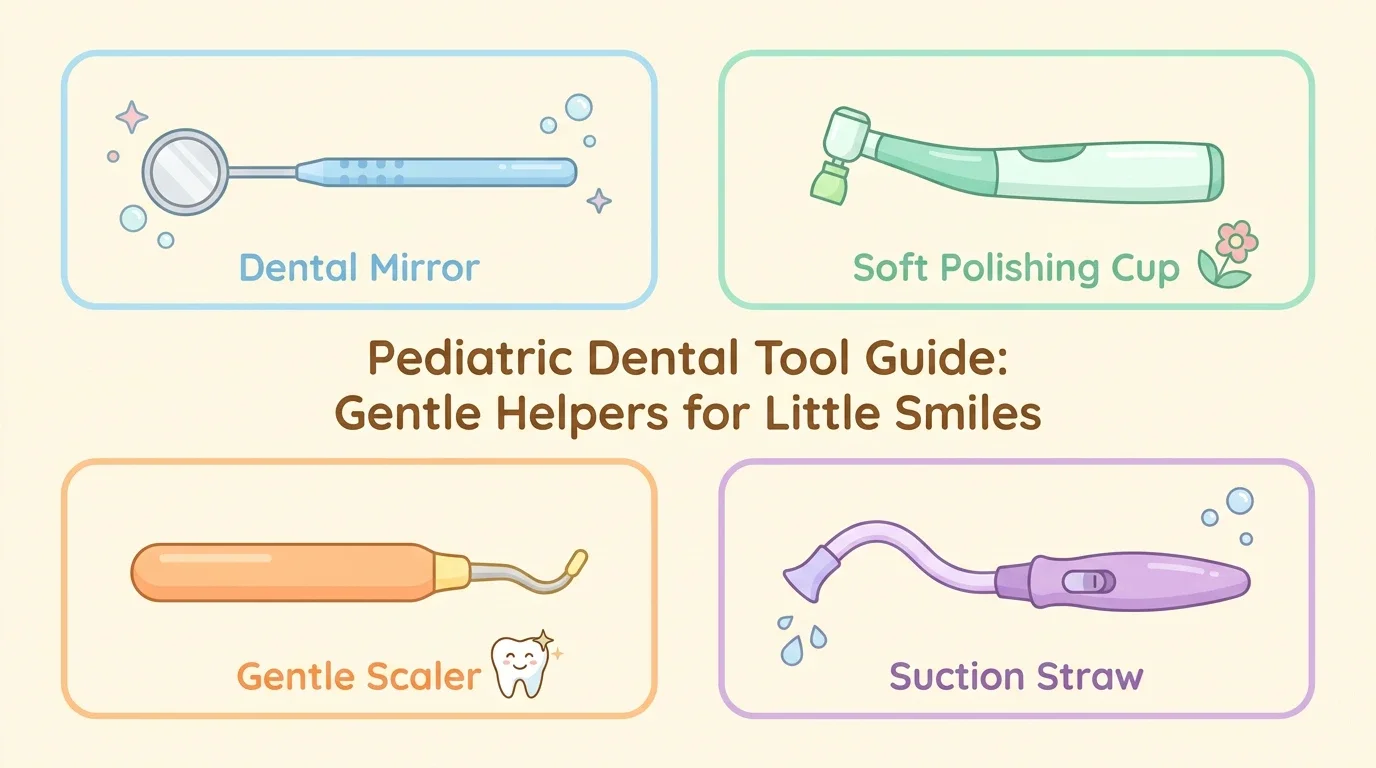
A standard child teeth cleaning uses specialized, child-sized instruments designed specifically to ensure comfort and precision during delicate examinations. Clinicians introduce each tool through a friendly tell-show-do method, letting curious young patients touch harmless rubber prophy cups or hear the gentle whir of suction instruments beforehand.
When Abigail and her son arrived, the clinical team explained each piece of equipment with playful names to keep the environment cheerful:
The dental mirror helps the clinician view hard-to-reach corners and count primary molars.
The gentle scaler removes soft plaque and hardened tartar along delicate gumlines.
The soft polishing cup smooths enamel surfaces using pleasant-tasting cleaning paste.
The suction straw whisks away water and bubbles to keep small mouths dry and clean.
Kids' Dental Cleaning: What to Expect
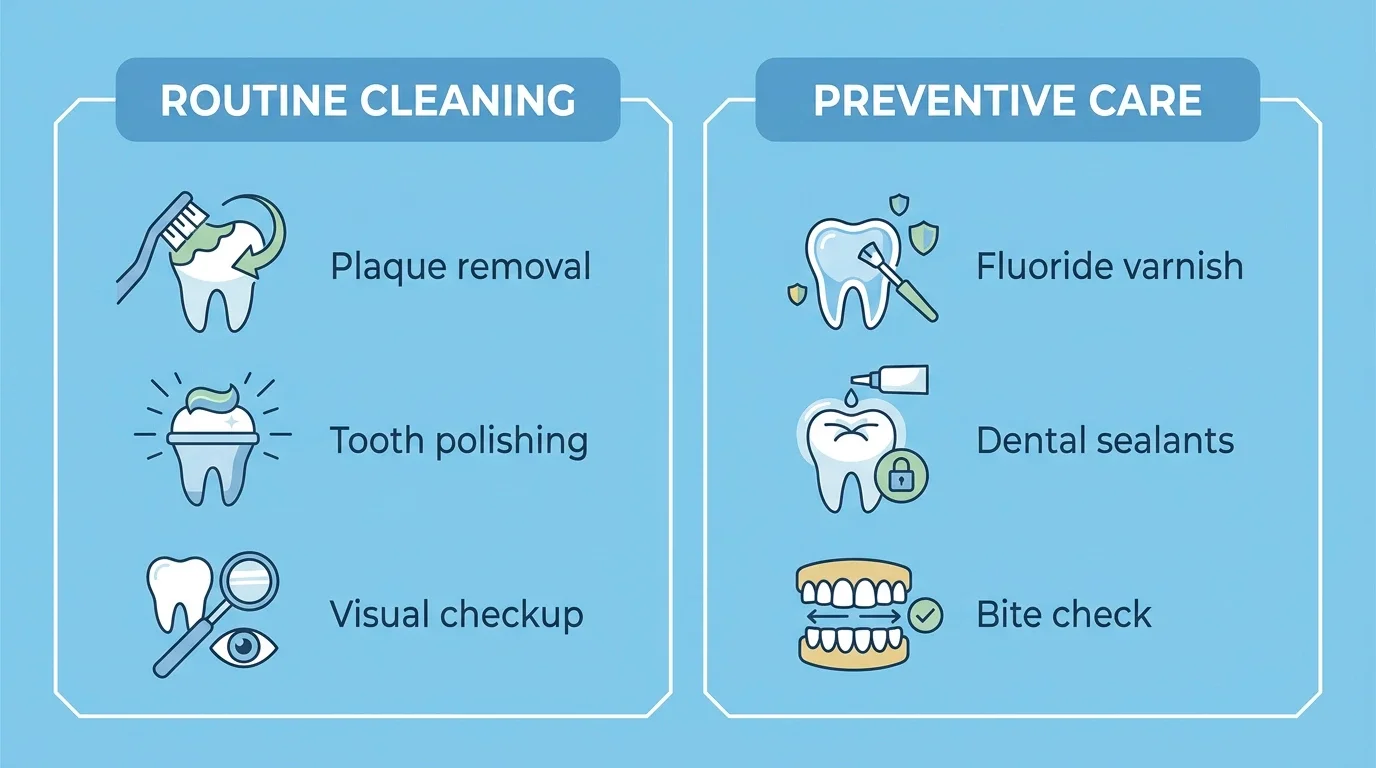
During a routine preventive appointment, parents can expect the entire visit to last approximately thirty to forty-five minutes, depending on child cooperation. Clinicians begin with a visual check, gently polish primary teeth, evaluate bite alignment, and assess whether preventive options like dental sealants or fluoride treatments are appropriate.
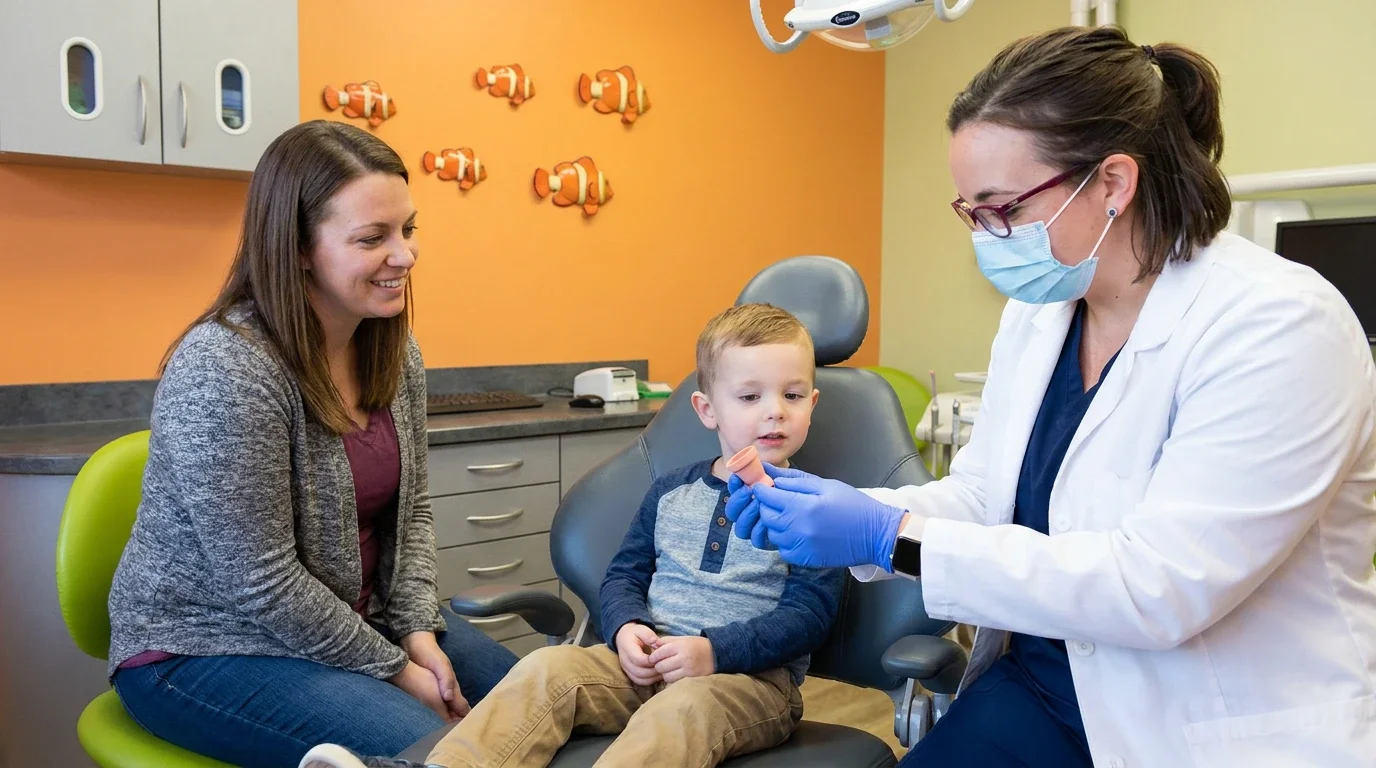
Abigail sat nearby in the treatment room, noticing how Dr. Jackie St. Pierre maintained a steady, reassuring voice throughout the examination. Her son felt empowered holding the small dental mirror to see his own teeth shining.
Dr. Jackie St. Pierre also checked his bite and jaw growth and explained when an Early Orthodontic Evaluation would make sense as he grows. This gave Abigail peace of mind about his development.
Managing Anxiety and Sedation Care Options
While many children do wonderfully with gentle behavioral guidance, some patients experience severe dental fear or sensory sensitivities that require extra clinical support. In these situations, pediatric sedation provides a calming pathway that allows clinicians to deliver necessary care safely while preserving the child's emotional comfort.
Dr. Jackie St. Pierre explained to Abigail that gentle support systems are always tailored to each individual child's specific temperament:
Tell-show-do communication introduces every instrument before it enters the child's mouth.
Positive reinforcement techniques celebrate small victories, like sitting still or opening wide.
Sensory-friendly adjustments reduce bright overhead lighting or novel dental sounds when requested.
Comfort-focused sedation dentistry supports highly anxious children who need more extensive treatment.
Essential Aftercare and at-Home Routines
Following a professional hygiene appointment, children can usually resume their normal daily activities immediately with minimal dietary restrictions. If a protective fluoride varnish was applied, parents should serve soft foods that are cool or at room temperature and avoid crunchy snacks or hot drinks for several hours.
Abigail noted the doctor's dietary guidance, planning a simple dinner of applesauce, yogurt, and soft pasta at room temperature for her son that evening. She felt confident that she had a simple plan for the evening.
Maintaining clean enamel requires brushing twice daily with a soft-bristled brush and flossing between touching teeth. Dr. Jackie St. Pierre emphasized that parental assistance remains vital until around age eight.

How Often Should Children Visit?
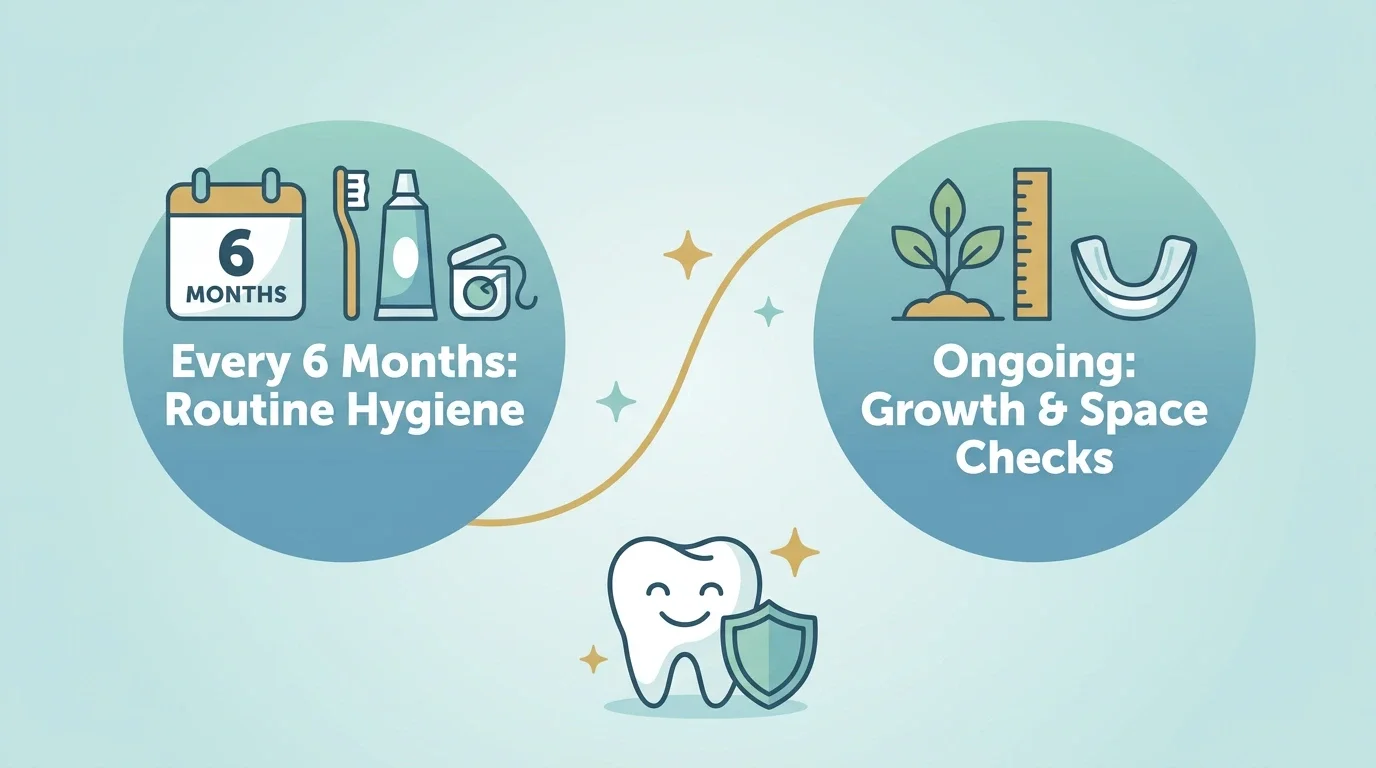
Most pediatric dentists recommend scheduling a routine children's dental hygiene appointment once every six months to sustain lifelong oral wellness. Consistent visits allow clinicians to monitor emerging dentition, apply preventive treatments, and catch potential decay before it causes discomfort or structural damage.
For young patients with higher cavity susceptibility or developing orthodontic concerns, the dentist may suggest customized visit intervals:
Standard six-month visits support general preventive cleanings, exams, and routine habit coaching.
Three-month recall schedules help address elevated cavity risk or active gum inflammation.
Custom developmental reviews monitor space preservation when baby teeth are lost early.
Biannual fluoride applications strengthen newly erupted primary and permanent dental enamel effectively.
Building Positive Habits for Life
As her son left the office with a bright smile and a small prize, Abigail felt an enormous sense of relief. What had once felt like an intimidating milestone had turned into an empowering, educational morning for her son. The gentle, supportive team dynamic made every step straightforward and joyful.
Dr. Jackie St. Pierre had taken the time to listen to Abigail's questions, validate her concerns, and provide actionable tips for daily brushing routines. By turning a routine clinical exam into an engaging, collaborative experience, the practice helped lay the groundwork for positive dental visits in the years ahead.
Investing time in early preventive care helps children view dental hygiene as a natural, positive part of growing up. Abigail realized that finding the right pediatric partner transforms preventive care from a potential chore into a shared victory for the entire family.

Frequently Asked Questions
What happens during a child's first teeth cleaning visit?
During an initial visit, the dental team focuses on building comfort and trust. Clinicians gently count primary teeth, brush away plaque, inspect gum tissues, and check jaw growth. Dr. Jackie St. Pierre walks young patients through every tool, ensuring that parents and children feel completely relaxed and informed throughout the preventive appointment.
At what age should a child have their first cleaning?
The American Academy of Pediatric Dentistry suggests scheduling an initial visit by age one or within six months of the first tooth erupting. Early visits allow the clinician to identify early decay, discuss proper nursing or brushing techniques, and help toddlers become accustomed to the office environment well before complex procedures are ever needed.
Is sedation dentistry safe for young children?
When administered by trained pediatric providers, sedation care can help anxious or sensory-sensitive children receive needed oral care. Dr. Jackie St. Pierre carefully evaluates each young patient's medical history and treatment needs to select the gentlest approach, with the child monitored throughout the visit.
How do I prepare a nervous child for a cleaning?
Parents can prepare anxious children by reading upbeat books about dentist visits, practicing counting teeth together at home, and using positive phrasing. Avoid mentioning words like pain or needles. Arriving early allows children to explore the waiting area calmly, and bringing a favorite stuffed toy can provide extra comfort during their appointment.
Are dental cleanings necessary for baby teeth that fall out?
Baby teeth play critical roles in guiding adult teeth into position, aiding proper speech development, and supporting healthy childhood nutrition. Untreated cavities in primary teeth can cause discomfort and lead to infections that harm underlying permanent teeth. Routine professional cleanings keep primary teeth stable and functional until they shed naturally.
What should my child eat after receiving a fluoride treatment?
After a professional fluoride varnish application, children can drink water right away but should stick to soft, cool or room-temperature foods for several hours. Avoid hard, crunchy, or hot foods, as well as sticky candies, to ensure the protective fluoride coating adheres thoroughly to dental enamel for maximum cavity prevention.
