
Is It Really Time For A Dental Check-Up?
The Night Lily Finally Looked Closer
Lily was standing on a small plastic stool, pajama sleeves rolled up, humming while her mom, Sarah, brushed her teeth before bed. Nothing about the moment felt urgent. Lily was seven, energetic, rarely sick, and proud of how “good” she was at brushing. Sarah had always assumed dental check-ups were mostly about cavities and toothaches, and Lily had neither.
But as Sarah tilted Lily’s chin slightly, she noticed something that made her pause. A faint chalky line near the gum on a back tooth. Not dark, not dramatic, just… different. Sarah squinted, her stomach tightening.

“She doesn’t complain,” Sarah thought. “She eats fine. She smiles all the time.”
The reminder email for a dental check-up had been sitting unopened for days. Sarah had been busy, juggling work, school drop-offs, and the kind of exhaustion that makes preventative appointments feel optional. But suddenly, optional felt like a risk.
The Question Parents Don’t Say Out Loud
Sarah wasn’t avoiding the dentist. She was avoiding the possibility of being told she missed something. Many parents feel this quietly, the fear that a check-up will uncover a problem that could have been prevented sooner.
Dental check-ups carry emotional weight. They are not just about teeth. They feel like report cards for parenting.
Parents often wonder, “If nothing hurts, why go?” or “Are we overdoing it?” What’s really at stake is not just cavities, but confidence, comfort, and long-term habits that quietly shape a child’s health.
That white line Sarah noticed did not hurt Lily at all. That’s exactly why it mattered.
What A Dental Check-Up Actually Reveals
A dental check-up is less like fixing a broken pipe and more like inspecting a house before the storm hits. It’s about spotting tiny changes before they turn loud.
During a pediatric dental check-up, we are looking for subtle signs that parents cannot easily see at home. Early enamel weakening often appears as white or cloudy spots. Gums may look slightly puffy long before bleeding ever happens. Bite alignment shifts quietly as adult teeth prepare to move in.
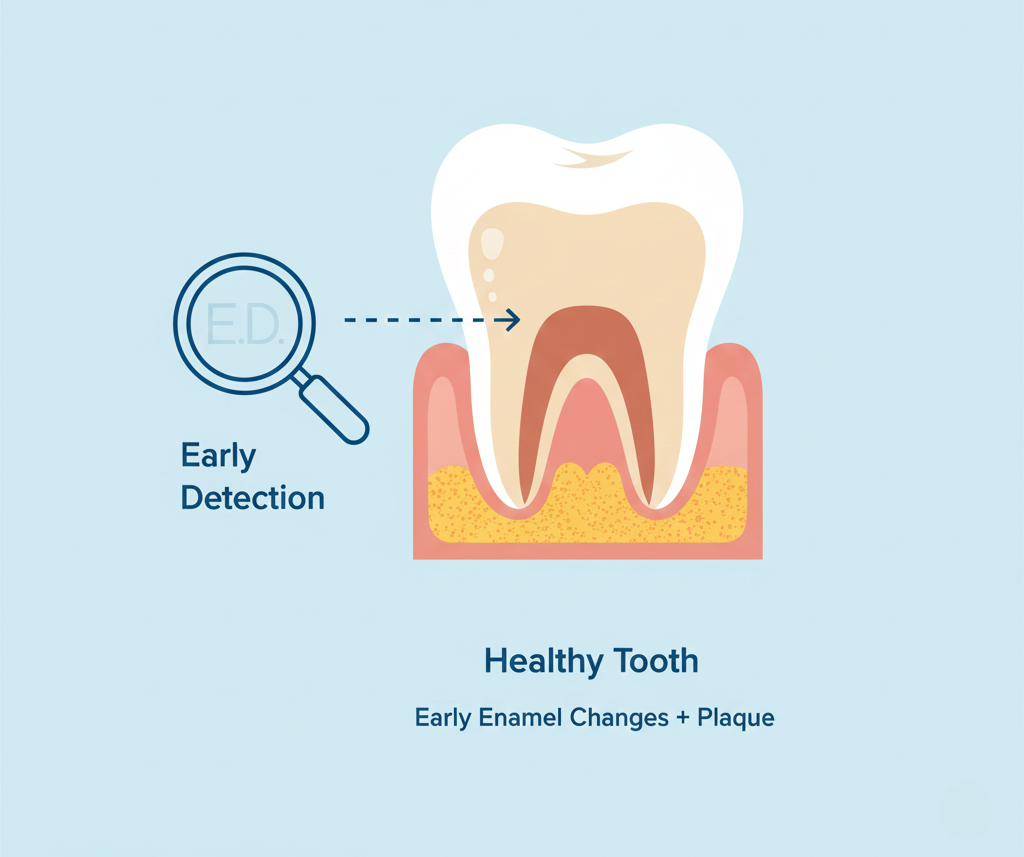
These are whispers, not alarms.
Sarah learned this when she finally booked Lily’s appointment through the Kindred Smiles Pediatric Dentistry appointment request page. What she got was clarity.
Lily’s Appointment Felt Different Than Expected
Lily climbed into the chair without hesitation, curious more than nervous. Dr. Jackie St Pierre knelt beside her, asking about school, favorite snacks, and how she brushed at home. The exam felt more like a conversation than an inspection.
When Dr. Jackie pointed out the white spot, she didn’t use scary words. She compared it to a sidewalk starting to fade before it cracks. “We caught this early,” she told Sarah. “This is exactly why check-ups matter.”
No drilling. No needles. Just guidance, fluoride support, and small changes in brushing technique.
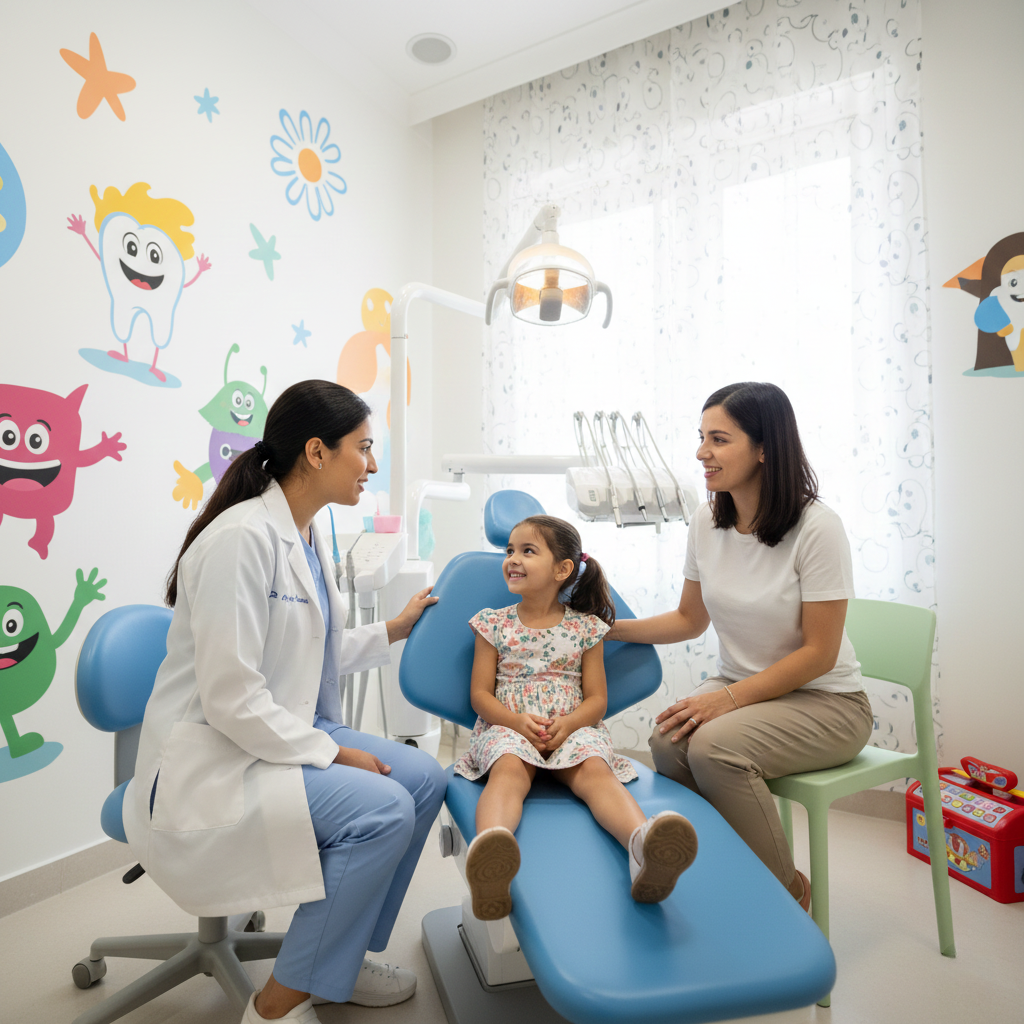
Sarah felt a wave of relief she hadn’t realized she was holding. This wasn’t about fixing a problem. It was about preventing one.
Why Timing Matters More Than You Think
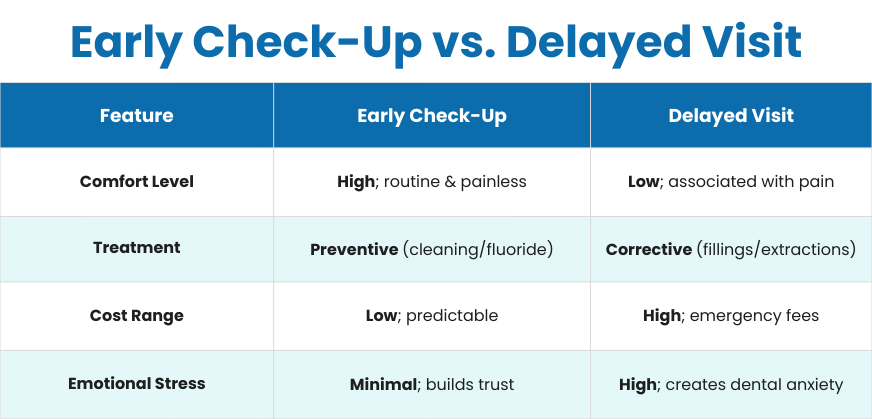
Dental check-ups work best when they are routine, not reactive. Waiting until something hurts often means the issue has already progressed.
For kids, especially, pain is a late signal. Baby teeth have thinner enamel, so decay moves faster and quieter. By the time a child complains, the treatment options narrow.
Sarah realized that skipping check-ups was not saving time or money. It was borrowing trouble from the future.
The Emotional Side Parents Rarely Expect
Parents often brace themselves for guilt during dental visits. Instead, many feel something else entirely. Reassurance.
Dr. Jackie spent time explaining how nutrition, habits, and growth patterns intersect. She talked about sticky snacks, nighttime brushing routines, and how even healthy kids can develop early enamel changes.
Sarah felt seen, not judged. Dental check-ups became a partnership, not a performance.
This philosophy is woven throughout the practice’s approach, something many families notice when they explore the Kindred Smiles approach to pediatric dental care.
When “We’ll Wait” Turns Into Regret
Every pediatric dentist has seen it. Parents who meant to schedule earlier. Families who waited because life got busy. Children who needed more invasive care than they would have months earlier.
This is not about fear. It’s about foresight.

Dental check-ups are one of the few healthcare visits where prevention truly changes the outcome. A thirty-minute appointment can mean the difference between monitoring and treatment, between reassurance and regret.
Sarah left thinking, “Why did I ever think this wasn’t necessary?”
The Moment Parents Decide To Stay Consistent
Something shifted for Sarah after that appointment. Lily talked about the dentist on the way home, not with dread but with pride. She showed her dad how to brush differently, explaining plaque like “sugar bugs.”
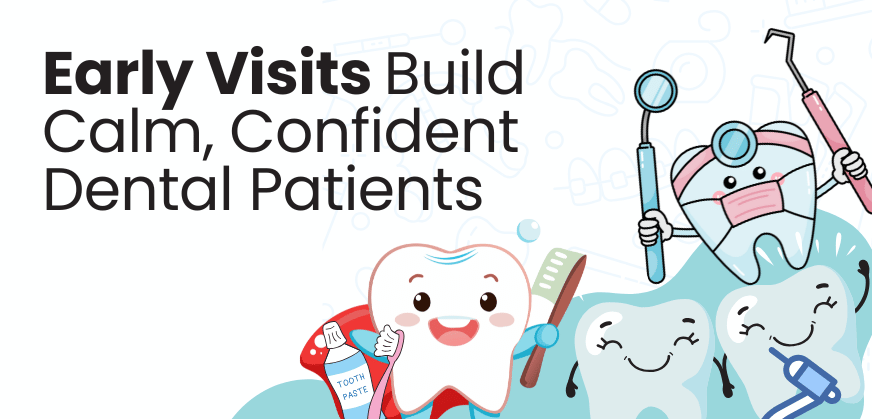
This is the quiet power of consistent dental check-ups. They normalize care. They build confidence. They remove fear before it ever takes root.
Families who stay consistent often notice that dental visits stop being events and start being habits.
Maybe This Is The Sign You’ve Been Waiting For
If you are reading this and thinking of that unopened reminder, you are not alone. Most parents delay not because they do not care, but because everything feels fine.
That feeling is exactly when check-ups do the most good.
Scheduling a visit through the Kindred Smiles contact page.
What Happens After The Check-Up Ends
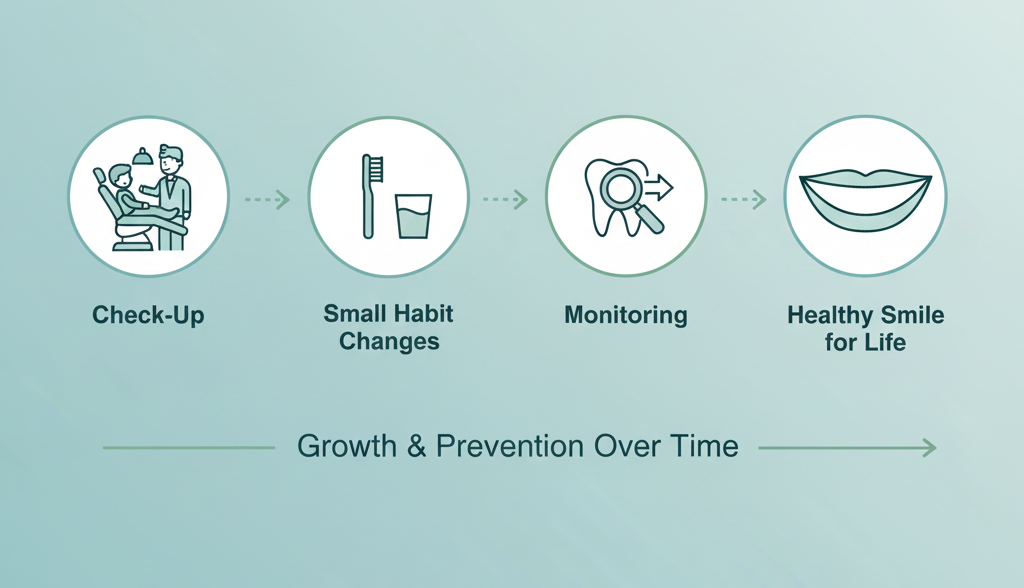
After Lily’s visit, there was no dramatic before-and-after moment. The success was subtle. Better brushing. Smarter snack timing. Regular monitoring.
At the next check-up, that white spot had not progressed. It had stabilized.
Sarah realized the goal was never perfection. It was awareness.
Why Dental Check-Ups Shape More Than Teeth
Dental health affects sleep, focus, nutrition, and self-esteem. Kids with untreated dental issues often struggle quietly. Even mild discomfort can affect concentration at school or willingness to smile.
Routine dental check-ups protect more than enamel. They protect confidence.
This is why pediatric dentistry focuses on growth, behavior, and trust, not just teeth. Families curious about what makes pediatric care different often find helpful context on the Visit Kindred Smiles page.
The Ending Sarah Didn’t Expect
Sarah expected answers. What she gained was peace of mind.
Dental check-ups stopped feeling like interruptions and started feeling like anchors. A small pause that kept bigger problems from forming.
Lily still hums during brushing. Sarah still checks occasionally, but now with knowledge, not fear.
FAQ
How Often Should My Child Have A Dental Check-Up?
Most children benefit from dental check-ups every six months. This schedule allows the dentist to monitor growth, catch early changes, and keep visits familiar and low stress. Some children may need more frequent visits based on risk factors, which your pediatric dentist will discuss openly.
What If My Child Is Nervous About The Dentist?
That is incredibly common. Pediatric dental offices are designed to reduce fear through environment, language, and pace. At Kindred Smiles, visits are built around trust and comfort, often turning anxiety into curiosity over time.
Does Insurance Usually Cover Dental Check-Ups?
Most dental insurance plans cover routine pediatric check-ups and cleanings at little to no cost. The team can help you understand your specific benefits before the visit so there are no surprises.
What If Nothing Seems Wrong With My Child’s Teeth?
That is often when check-ups are most valuable. Many dental issues begin without pain or visible signs. A professional exam can identify early changes that are easy to manage when caught promptly.
How Early Should Kids Start Dental Check-Ups?
The first dental visit is recommended by age one or when the first tooth appears. Early visits focus on education, prevention, and building comfort, not treatment.
