
Teething Symptoms In Infants And How To Tell What’s Normal
The Night Nothing Helped
It was 2:14 a.m., and Sarah was pacing the nursery with her six-month-old son, Owen, pressed against her shoulder. The rocking chair creaked softly, the white noise hummed, and still, Owen cried. Not the hungry cry. Not the tired cry. This was sharper, more desperate. He chewed furiously on his sleeve, his cheeks flushed, drool soaking the collar of his pajamas.

Sarah checked the clock again. Is this teething, she wondered, or something else? She had read articles, scrolled forums, texted friends. Everyone said teething looked different. But when you’re in the middle of it, with an overtired baby and no clear answers, uncertainty feels overwhelming.
If you’ve been there, you’re not alone. Teething symptoms in infants often show up quietly, confusingly, and right when parents feel least prepared. Understanding what’s normal and what might need extra support can make all the difference.
What Teething Actually Feels Like
Teething is not a single moment. It’s a process. Beneath your baby’s gums, tiny teeth are slowly pushing upward, stretching tissue that has never been stretched before. Imagine wearing a tight shoe that presses all day, then suddenly feeling it rub harder. That low-level pressure turning into irritation is similar to what infants experience.
For Owen, it started subtly. Extra drool. More fussiness in the evenings. A sudden preference for gnawing on anything he could reach. These are classic teething symptoms in babies, but they don’t arrive on a schedule or with a checklist.
Parents often expect teething to cause dramatic pain. In reality, it’s usually persistent discomfort, not sharp agony. That’s why it can be hard to spot. Babies cannot say “my gums hurt,” so they communicate the only way they know how. Through behavior.
Common Teething Symptoms Parents Notice
Sarah began noticing patterns. Owen drooled more when lying flat. He woke earlier from naps. He tugged at his ears, something she hadn’t expected.
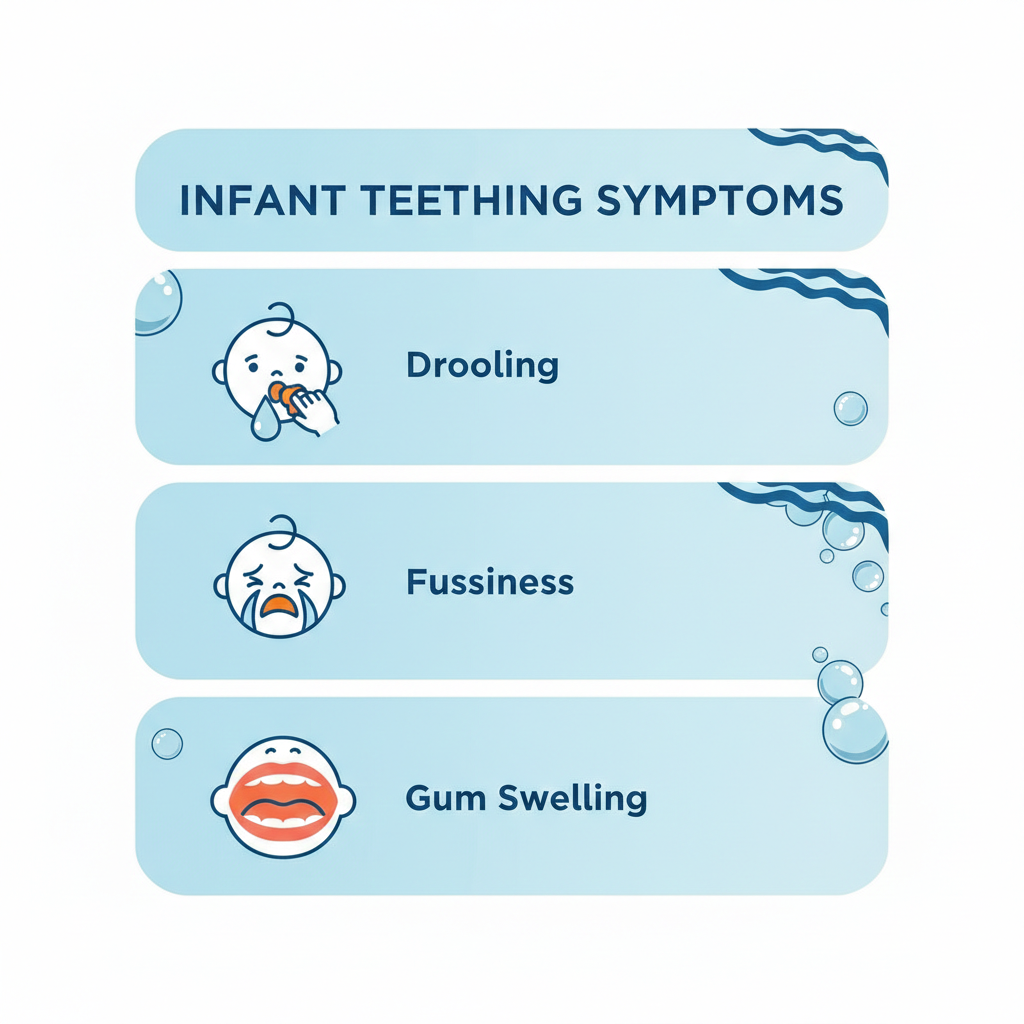
Teething symptoms in infants often include swollen gums, increased drooling, irritability, changes in sleep, and a strong urge to chew. Some babies also experience mild appetite changes or temporary fussiness during feeds.
Ear pulling and cheek rubbing often confuse parents. These behaviors are related to shared nerve pathways in the face and jaw. The discomfort does not stay neatly in one spot. It radiates.
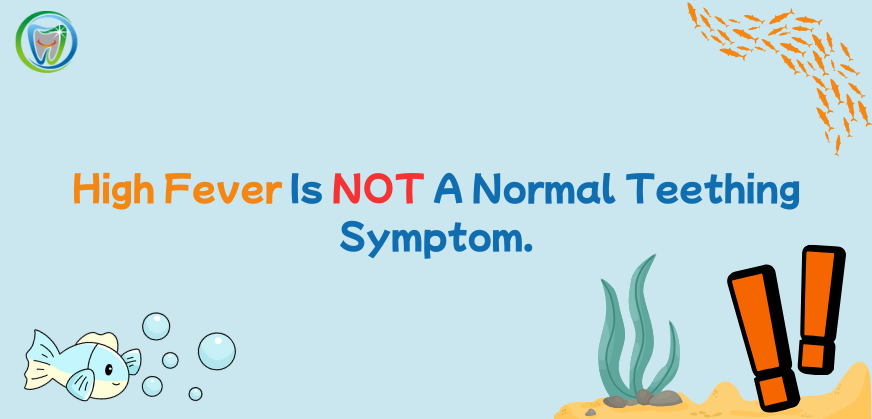
What teething does not usually cause is high fever, vomiting, or prolonged diarrhea. Those symptoms often signal something else and deserve medical attention.
When Teething Starts And How Long It Lasts
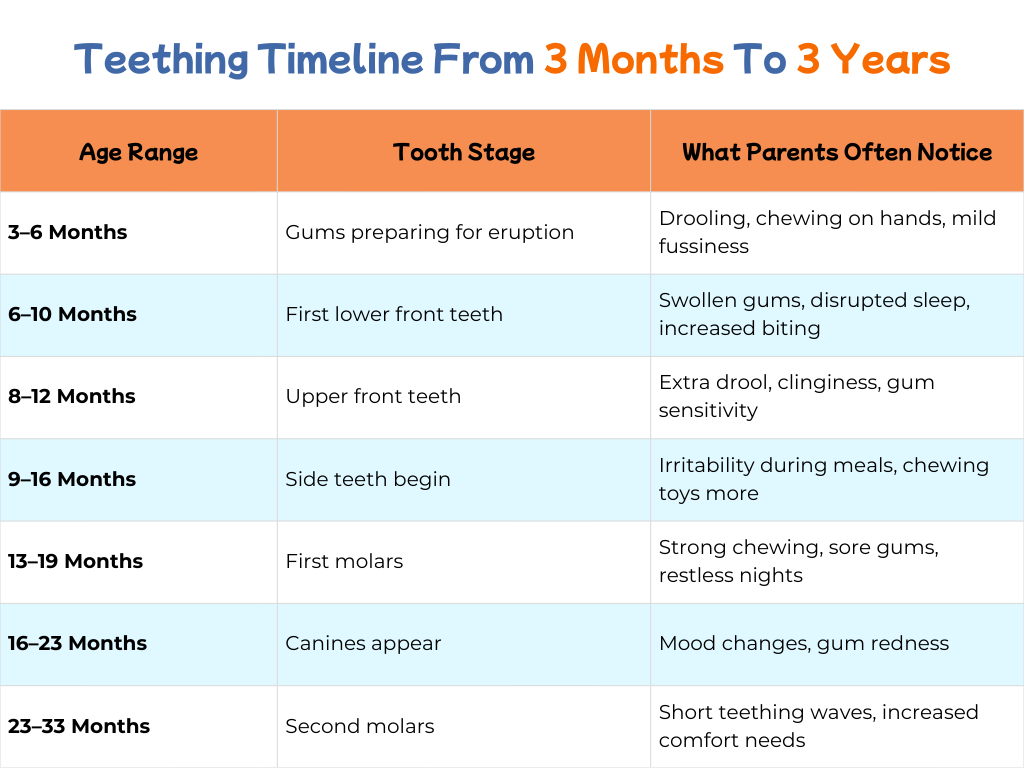
Owen’s first tooth appeared just after six months, right on schedule. For other babies, teething symptoms can start as early as three months or as late as nine. Both are normal.
Teething comes in waves. A few uncomfortable days. A break. Then another wave as the next tooth moves closer. By age three, most children have a full set of baby teeth, but the early months often feel the most intense because everything is new.
Parents often ask if teething ever truly stops. The answer is yes, but it pauses more than it ends abruptly. Knowing this helps parents pace themselves emotionally.
Comforting Your Baby Without Overdoing It
Sarah tried everything. Chilled teething rings. Extra cuddles. Gentle gum massages with a clean finger. She skipped numbing gels after reading mixed guidance. What helped most was consistency and patience.

Simple measures work best. Cold pressure can soothe inflammation. Safe teething toys give babies control over the sensation. Comforting routines help regulate emotions when physical discomfort feels overwhelming.
It’s also important not to attribute every change to teething. Babies grow rapidly, and fussiness can overlap with developmental leaps. When in doubt, checking in with your pediatric dentist can offer reassurance. Many families at Kindred Smiles begin these conversations during early visits like an age one dental appointment.
When Teething Overlaps With Illness
One of Sarah’s biggest worries was fever. Owen felt warm one afternoon, and panic crept in. The truth is, teething can cause slight temperature changes, but not true fevers.
If your baby has a temperature above 100.4°F, persistent diarrhea, or lethargy, those symptoms are not typical teething symptoms in infants. They may coincide with teething simply because babies are exposed to more germs during this stage.
Understanding this distinction helps parents avoid missing real illness while also avoiding unnecessary worry. When questions arise, pediatric dental professionals often collaborate with pediatricians to ensure children receive appropriate care.
The Long Term Importance Of Early Oral Care
By the time Owen’s first tooth fully erupted, Sarah felt a sense of relief she didn’t expect. Not just because the crying eased, but because she felt more confident. She had learned her baby’s cues.
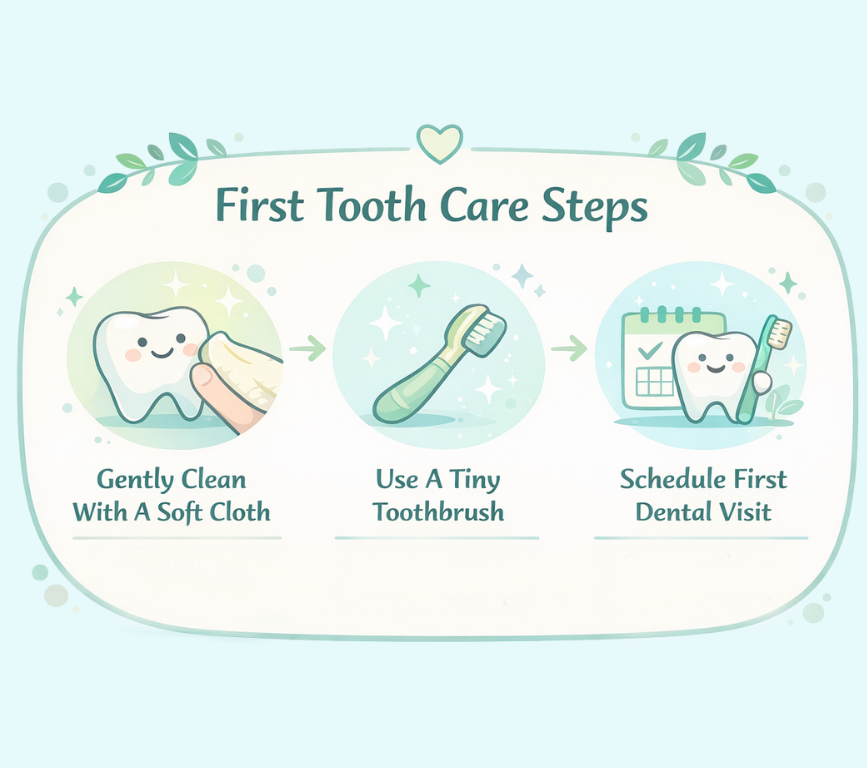
Early teething experiences lay the foundation for lifelong oral habits. Cleaning emerging teeth with a soft cloth, avoiding sugary liquids in bottles, and scheduling early dental visits all protect developing smiles.
Parents who establish care early often find it easier to navigate future milestones, including cleanings and preventive guidance like pediatric dental exams.
What Comes Next For Your Baby’s Smile
By the end of that long teething phase, Sarah realized something important. Teething had not just been about teeth. It had been about learning to respond, to observe, and to trust herself as a parent.
Teething symptoms in infants can feel relentless in the moment, but they pass. With the right support and information, parents move from uncertainty to confidence. And babies move from discomfort to their first bright, toothy smiles.

If you ever feel unsure, reaching out to a pediatric dental team can help you feel grounded again. At Kindred Smiles Pediatric Dentistry, families are guided through these early stages with patience and clarity, building trust from the very beginning.
FAQ
What Are The Most Common Teething Symptoms In Infants?
Teething symptoms in infants usually include drooling, gum swelling, irritability, chewing behavior, and mild sleep disruption. These symptoms often come and go as teeth move beneath the gums.
Can Teething Cause Fever Or Diarrhea?
Mild temperature changes may occur, but true fever and ongoing diarrhea are not normal teething symptoms. If these occur, it’s important to contact your pediatrician.
When Should I Schedule My Baby’s First Dental Visit?
Most pediatric dentists recommend a first visit by age one or within six months of the first tooth appearing. Early visits focus on education and prevention, not procedures.
What Is The Best Way To Soothe Teething Pain?
Cold teething rings, gentle gum massage, and comfort routines are usually effective. Avoid numbing gels unless advised by a healthcare professional.
Do All Babies Experience Teething The Same Way?
No. Some babies show obvious discomfort, while others barely react. Both experiences are completely normal.
When You’re Wondering What To Do Next
If teething symptoms in your infant have you questioning what’s normal, you don’t have to navigate it alone. A gentle dental check can offer reassurance and guidance tailored to your child’s development.
At Kindred Smiles Pediatric Dentistry, early visits are about partnership. We help parents understand what’s happening now and how to support healthy smiles for years to come.
