
Your Baby's Tooth Chart: A Parent's Guide
Elara's First Baby Tooth Wiggles
Elara, a spirited five-year-old, proudly announced to her mom, Anya, that her bottom front tooth was wiggling. Anya’s heart swelled with that familiar mix of excitement and a touch of melancholy. It felt like just yesterday she was celebrating Elara's very first tiny sprouts, and now they were already making way for bigger, stronger teeth. This milestone always brought a smile, but also a gentle reminder of how fast time flies.
Anya remembered the sleepless nights, checking for those initial pearly whites, and the endless questions about when they would appear. Parenthood is a journey of constant discovery, and baby teeth, as small as they are, represent significant developmental steps. Every stage feels momentous, from the first smile to the first lost tooth.
As Elara continued to wiggle her tooth, Anya found herself wondering if this was the "normal" time for a five-year-old to lose a tooth. She vaguely remembered reading about a baby teeth chart once, but the details were fuzzy. She wanted to be sure Elara's dental development was on track, providing a solid foundation for her permanent smile.

The Mystery of the Missing Chart
Later that evening, after Elara was tucked into bed, Anya decided to refresh her memory. She searched online for "baby teeth chart," hoping to find a clear, easy-to-understand visual guide. She found a plethora of information, some conflicting, some overly technical, and it quickly became a little overwhelming. It wasn't the simple, reassuring answer she hoped for.
She thought back to her own childhood, where dental health seemed a lot less complicated, or perhaps her parents simply shielded her from the complexities. Now, as a parent, she felt a responsibility to understand every aspect of her child's health. The rapid parade of information made her miss the days when a quick chat with a neighbor might have sufficed.
Anya realized she wasn't just looking for dates; she was seeking reassurance and understanding. She wanted to know what to expect, not just for Elara's wobbly tooth, but for all the ones to follow. The journey of a child’s dental development is uniquely their own, but a general roadmap can ease many parental anxieties.
Understanding the Eruption Timeline
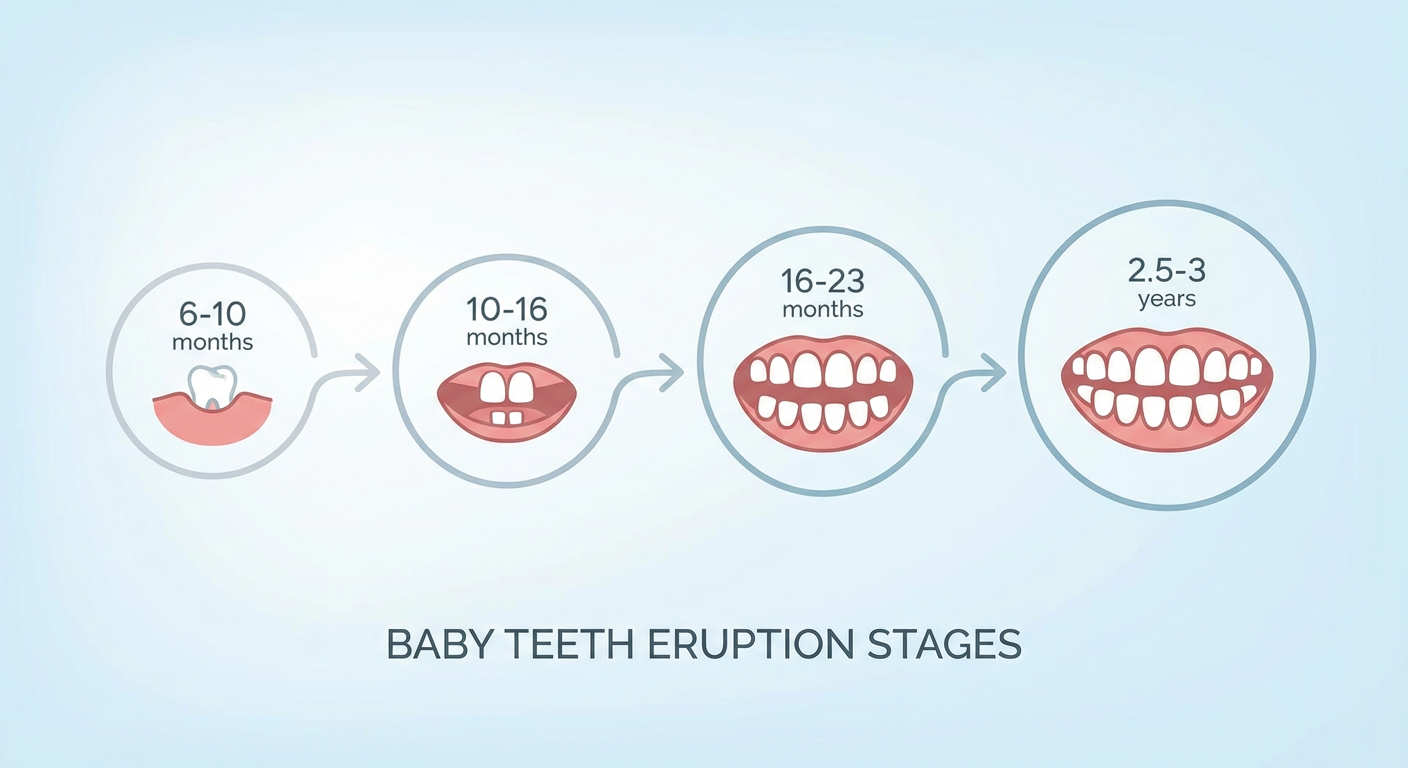
Generally, baby teeth, also known as primary or deciduous teeth, begin to emerge when a baby is around 6 to 10 months old. The two bottom front teeth are usually the first to make their appearance, often heralded by a lot of drooling and fussy nights. This initial stage, while challenging, is a clear sign of healthy development.
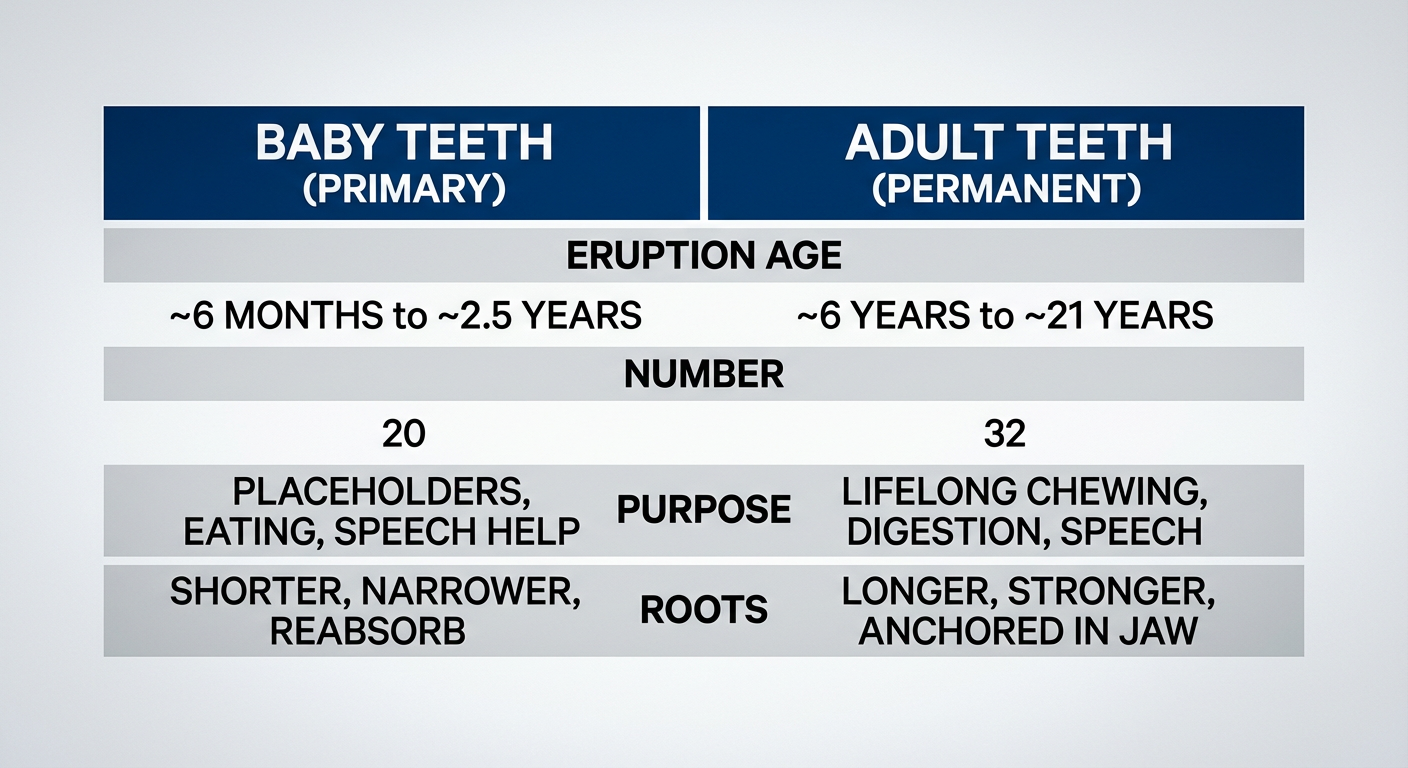
Following these, the upper front teeth typically erupt, then the lateral incisors, canines, and molars. By the time a child is around 2.5 to 3 years old, most children will have all 20 of their primary teeth. It’s a remarkable process, transforming a gummy smile into a full set of tiny, functional teeth ready for chewing all sorts of new foods.
It's important to remember that these are general timelines, not strict deadlines. Every child is unique, and some might get their teeth a little earlier or later. If you’re ever concerned about your child’s dental development, a visit to a pediatric dentist like Dr. Jackie St. Pierre at Kindred Smiles is always recommended to ease your mind.
Why Baby Teeth Are So Important
While they are temporary, baby teeth play a crucial role in a child’s overall health and development. They do much more than just help children chew their food. They are essential for proper nutrition, allowing children to eat a varied diet and grow strong. Without healthy primary teeth, eating can become painful, impacting their growth.
Beyond nutrition, baby teeth are vital for speech development. They help children form sounds correctly, preventing speech impediments. Imagine trying to say "s" or "th" without front teeth – it can be quite challenging! These early connections between dental health and speech are often overlooked but are very important.
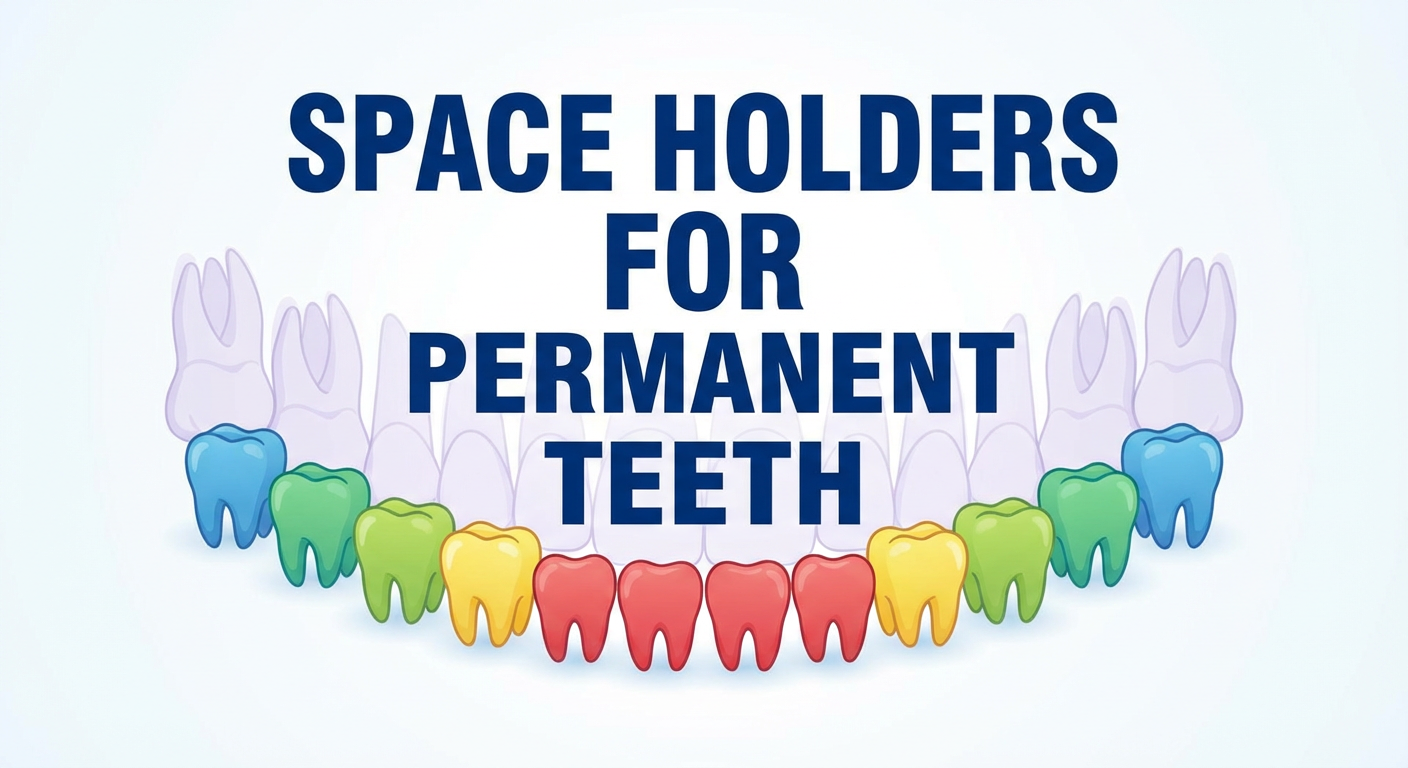
Perhaps most critically, primary teeth serve as space holders for the permanent teeth that are developing underneath the gums. If a baby tooth is lost too early due to decay or injury, the adjacent teeth can shift. This shifting can cause crowding or misalignment issues for the permanent teeth, potentially leading to orthodontic needs later on.
The Natural Process of Shedding
Just as they erupt, baby teeth also follow a natural shedding process to make way for permanent teeth. This process typically begins around age 6 or 7, often with the lower front teeth, precisely like Elara's wobbly tooth. This is usually a gradual and exciting journey for children, often marked by visits from the Tooth Fairy!
The roots of the primary teeth are gradually reabsorbed by the body, weakening their anchor in the jawbone until they become loose. This reabsorption is a fascinating biological process, ensuring a smooth transition for the developing permanent tooth underneath. It's truly a marvel of natural design that these changes happen so seamlessly.
While most teeth fall out on their own with a gentle wiggle, sometimes a stubborn tooth might need a little help. If a tooth is very loose but just won't come out, or if you notice discomfort or unusual bleeding, it’s always best to consult with a pediatric dental professional. Early guidance can prevent bigger issues down the road.

When Permanent Teeth Arrive
After primary teeth begin to shed, the permanent teeth make their grand entrance. This transition period, often called the "mixed dentition" stage, can last until a child is around 12 or 13 years old. During this time, children will have a mix of both baby and adult teeth in their mouths, presenting unique challenges for brushing and flossing.
The first permanent molars often erupt around age six, even before any baby teeth have been lost, emerging behind the existing primary molars. These molars are critically important for a child's bite and chewing function, and they need diligent care from day one. They are often mistaken for baby teeth, which can lead to neglect.
By the early teens, most children will have all their permanent teeth, except for the wisdom teeth, which usually appear later, in late adolescence or early adulthood. Maintaining good oral hygiene throughout this long transitional period is absolutely vital to ensure these new, permanent teeth last a lifetime.
Maintaining Health for Growing Smiles
No matter where your child is on their dental timeline, consistent and proper oral hygiene is paramount. Regular brushing twice a day with a fluoride toothpaste, flossing daily (especially once teeth start touching), and encouraging a balanced diet are critical habits to instill early. These foundational routines build a lifetime of good health.
Regular dental check-ups are equally important, starting with their very first tooth or by their first birthday. These early visits allow Dr. Jackie St. Pierre and her team to monitor development, catch potential issues early, and teach both children and parents about effective preventative care. Prevention is always easier than treatment.
During these visits, we can provide personalized advice based on your child’s unique needs, demonstrate proper brushing techniques, and even apply protective fluoride treatments or sealants. Establishing a "dental home" early helps children feel comfortable and confident at the dentist, fostering a positive relationship with oral health.

Elara's Confident Smile & Future
Armed with clearer information and the knowledge that Kindred Smiles was there to support her, Anya felt much more at ease. She now understood that Elara’s wobbly tooth was perfectly on schedule, and she had a better grasp of what to expect for her daughter’s dental future. Anya felt truly empowered.
During Elara’s next cleaning at Kindred Smiles, Anya brought up her questions with Dr. St. Pierre, who gently and clearly explained the "baby teeth chart" and typical milestones, confirming Elara's development was right where it needed to be. Dr. St. Pierre even provided a fun, kid-friendly chart that Elara loved. It made all the difference.
Watching Elara confidently chat with Dr. St. Pierre during her check-up, Anya knew she had made the right choice in entrusting her daughter's smile to Kindred Smiles Pediatric Dentistry. With expert care and good habits, both Elara’s wobbly baby teeth and incoming permanent teeth were in the best possible hands.

FAQ
1. At what age should my child first see a dentist?
We recommend scheduling your child's first dental visit by their first birthday, or when their first tooth appears, whichever comes first. Early visits are crucial for preventive care.
2. Is it normal for a baby tooth to come out significantly earlier or later than the chart suggests?
While our baby teeth chart provides general guidelines, some variation is perfectly normal. If you have concerns about early loss due to injury or significantly delayed eruption, please contact us.
3. My child lost a baby tooth, but the permanent tooth isn't coming in. What should I do?
It's common for there to be a waiting period between losing a baby tooth and the emergence of its permanent successor. However, if the permanent tooth hasn’t appeared after a few months, it's a good idea to schedule an appointment with Dr. St. Pierre for an evaluation.
4. Do you accept insurance for pediatric dental care?
We work with many insurance providers and will help you understand your benefits. Please call our office, and our team can verify your specific plan and coverage for services like dental check-ups and cleanings.
5. How can I make my child's first dental visit a positive experience?
We strive to create a warm, welcoming environment! You can help by keeping discussions about the dentist positive, avoiding scary words, and letting us explain procedures in child-friendly terms. You can also explore our About Us page to learn more about our approach.
6. What if my child has special needs?
Our practice, Kindred Smiles, is proud to offer specialized dental care for families with children who have special needs. We adapt our approach to ensure every child receives comfortable and compassionate treatment. You can find more information on our "Special Needs Families" page.
